




Calls of resignation grow for Starmer after Labour Party’s losses in local elections
- In Reports
- 02:02 PM, May 12, 2026
- Myind Staff
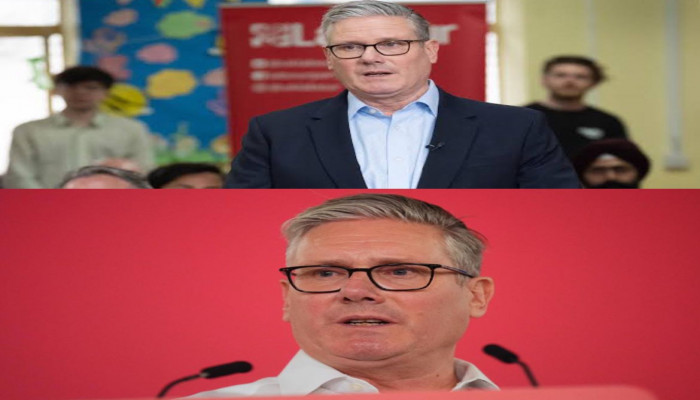
Keir Starmer is facing growing pressure within the Labour Party after poor local election results triggered calls for his resignation from several party lawmakers. Despite the criticism, the UK Prime Minister has made it clear that he does not plan to step down and warned that frequent leadership changes could create political instability in Britain.
According to reports by CNN, Starmer came under intense scrutiny after Labour suffered major losses in the recently held council elections across England. The elections also saw gains for the far-right Reform UK and the liberal Green Party of England and Wales. Labour also faced setbacks in devolved elections held in Scotland and Wales, adding to concerns within the party.
Addressing party members in London after the results, Starmer accepted responsibility for Labour’s poor performance but rejected demands to resign. He defended his leadership by pointing to the political instability seen under previous governments.
"What we witnessed with the last government was the chaos of constantly changing leaders, and it cost this country a huge amount," Starmer said. He further added, "A Labour government would never be forgiven for inflicting that on our country again."
However, dissatisfaction inside the party continued to grow after his remarks. Reports suggest that more than 70 Labour Members of Parliament have either urged him to resign immediately or asked him to announce a clear timeline for stepping down. The internal pressure has reportedly become more intense in the days following the election results.
The unrest within Labour has also led to resignations from some ministerial aide positions. Several party members reportedly stepped down in protest, reflecting wider frustration among sections of the party leadership.
Although Labour secured a landslide victory in the 2024 UK General Election, Starmer has faced increasing criticism in recent months over issues such as immigration policy, economic decisions, and his overall political leadership style. Critics inside and outside the party have questioned whether he has presented a strong long-term vision for the country. Some opponents have also argued that he lacks the charisma needed to energise voters.
The local election results appear to have intensified those concerns. According to reports, Labour lost more than 1,400 council seats in the elections. The party also reportedly lost control of the Welsh parliament, which has further weakened confidence among some lawmakers.
Following these setbacks, several Labour MPs now reportedly believe Starmer may not be the right leader to guide the party into the next UK General Election, which is expected to take place in 2029. The discussion around possible leadership changes has started gaining momentum within political circles in Westminster.
Labour’s internal party rules could allow a leadership contest if enough MPs support the move. Reports indicate that challengers would need the backing of at least 81 MPs, which represents one-fifth of Labour’s parliamentary strength, to trigger such a contest.
Even as Starmer continues to resist calls for resignation, discussions about possible successors have started emerging. Angela Rayner, the former UK deputy prime minister, is being viewed as one of the potential contenders. Although she has not formally launched a leadership challenge, her recent comments have added to the ongoing political debate.
In a statement cited in reports, Rayner said Starmer must "meet the moment and set out the change our country needs".
Responding to the criticism and pressure surrounding his leadership, Starmer acknowledged the need for policy changes and reflection within the government.
"Like every prime minister, I have learned a lot in the first two years in the job in terms of the policy changes that our country faces. Incremental changes won't cut it," he said.
Reports also suggest that Starmer is attempting to reset parts of his political agenda. One area expected to receive attention is Britain’s relationship with the European Union after years of tensions linked to Brexit. However, details about his proposed direction remain limited.
The political pressure surrounding Starmer has reportedly spread to senior levels of government as well. A cabinet meeting is scheduled to take place at Downing Street on Tuesday morning as the leadership crisis continues to dominate political discussions.
The situation has also drawn comparisons with previous political recoveries in the UK after local election setbacks. However, analysts quoted in reports believe Starmer’s challenges are more serious because of the scale of dissatisfaction within his own party.



 Loading...please wait
Comments