




Cabinet clears Rs 2.19 lakh crore for Semicon 2.0, mobile manufacturing, infrastructure development in Varanasi
- In Reports
- 06:36 PM, Jul 15, 2026
- Myind Staff
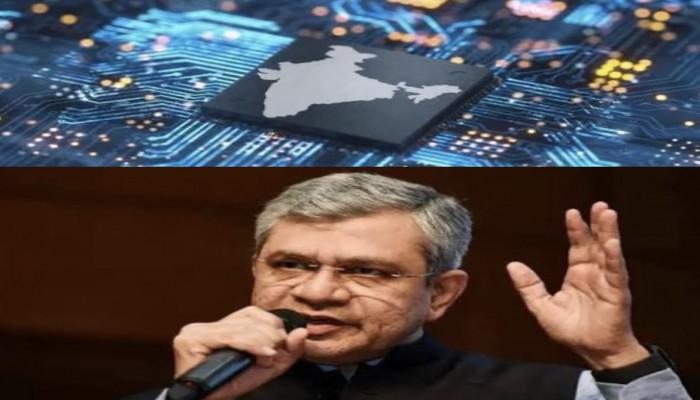
The Union Cabinet on Wednesday approved seven major decisions with a combined outlay of Rs 2,19,353 crore. The approvals cover semiconductor manufacturing, mobile phone production, infrastructure development, railway expansion and a new policy to strengthen domestic urea production. Union Information and Broadcasting Minister Ashwini Vaishnaw announced the decisions while briefing the media after the Cabinet meeting.
The Cabinet approved Semicon 2.0 with an outlay of Rs 1,27,500 crore. The decision marks one of the government's biggest steps to strengthen India's semiconductor sector. The programme aims to support the country's semiconductor ecosystem and boost domestic manufacturing capacity.
The government also cleared the Mobile Phone Manufacturing Scheme (MPMS) with an allocation of Rs 62,500 crore. The scheme is another major manufacturing initiative approved during the meeting. It aims to strengthen mobile phone production in India and expand the country's manufacturing capabilities.
The first two Cabinet decisions focused on infrastructure development in Varanasi, also known as Kashi. The government approved a 6/4-lane elevated corridor along the River Varuna at a cost of Rs 10,998 crore. The project seeks to improve traffic movement and support the city's growing infrastructure needs.
The Cabinet also approved a 6-lane elevated corridor along the River Ganga at a cost of Rs 14,448 crore. The project forms part of the government's new approach to infrastructure development in Varanasi. The corridor aims to improve connectivity and ease congestion in the city.
Another key decision involved the National Investment Policy for Urea-2026. The Cabinet approved the policy to help India move towards self-reliance in urea production. The decision is a policy approval and does not include any financial allocation in the Cabinet's list of approved projects.
The Cabinet also cleared two railway infrastructure projects. It approved the doubling of the Paradeep-Haridaspur railway line at a cost of Rs 2,542 crore. The project aims to improve rail capacity and strengthen freight and passenger movement on the route.
The government also approved the construction of a fourth railway line between Dangoaposi and Rajkharsawan. The project will involve an investment of Rs 1,365 crore. The expansion will support better rail connectivity and increase operational capacity on the section.
The seven Cabinet decisions reflect the government's focus on manufacturing, transport infrastructure and industrial growth. Semicon 2.0 and the Mobile Phone Manufacturing Scheme account for the largest share of the total approved outlay. The infrastructure projects in Varanasi and the railway expansion plans also form an important part of the Cabinet's decisions announced on Wednesday.
Addressing the media after the Cabinet meeting, Union Information and Broadcasting Minister Ashwini Vaishnaw outlined the approvals and their significance. He said, "Seven major decisions were taken today. The first two decisions relate to a new approach to infrastructure development in Varanasi (Kashi). The third and fourth decisions are related to the approval of Semiconductor Mission 2.0 (Semicon 2.0). The fourth decision is the approval of the Mobile Phone Manufacturing Scheme. The fifth decision is aimed at making India self-reliant in urea production. For this, the National Investment Policy for Urea has been approved," he said.
The Cabinet's latest approvals cover several sectors that the government has identified as priority areas. The decisions include large investments in semiconductor manufacturing, mobile phone production, urban infrastructure and railway development. They also introduce a new policy framework for urea production. Together, these approvals represent a total investment commitment of Rs 2,19,353 crore and mark one of the government's biggest multi-sector decisions announced in a single Cabinet meeting.



 Loading...please wait
Comments