




Cabinet approves Rs 37,500 crore coal gasification plan under energy security push
- In Reports
- 05:59 PM, May 13, 2026
- Myind Staff
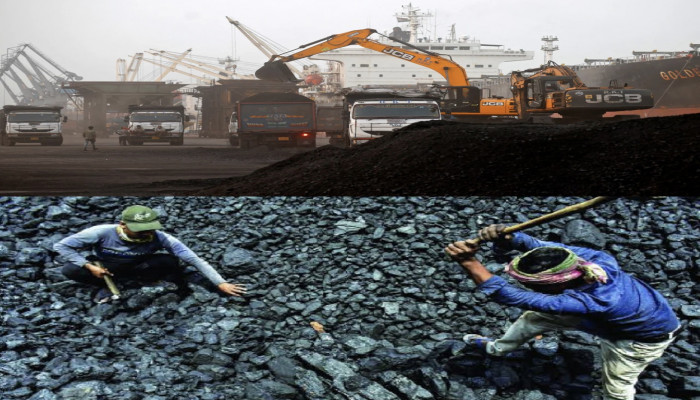
The Union Cabinet has approved a major Rs 37,500 crore coal gasification incentive scheme as part of the Centre’s larger push towards energy security, reduced imports and controlled spending under Prime Minister Narendra Modi’s broader austerity drive, sources said. The scheme aims to increase the production of gas, urea and chemicals using domestically available coal and reduce dependence on imported fuels.
The approval comes at a time when the government is focusing on strengthening the country’s energy sector while also managing economic challenges caused by global uncertainty. The coal gasification initiative is expected to encourage the value-added use of India’s coal reserves and support industries linked to fertilisers, fuel and chemicals.
Coal gasification is a process in which coal is converted into synthetic gas, also known as syngas. This gas can be used as an alternative fuel and also as a raw material for making chemicals and fertilisers. The process is considered cleaner compared to the direct burning of coal and is also seen as a step towards reducing carbon emissions linked to traditional coal usage.
The Cabinet’s decision is being viewed as part of a wider policy shift focused on responsible consumption and reduced import dependence. The development also comes shortly after the Centre sharply increased import duties on gold, silver and other precious metals through a late-night notification issued by the Finance Ministry on Tuesday.
Under the revised duty structure, which will come into effect from May 13, 2026, imports of gold and silver will attract a 10% basic customs duty along with a 5% Agriculture Infrastructure and Development Cess (AIDC). This takes the total effective tax on these imports to 15%, a significant rise from the earlier 6%.
The government’s move is aimed at reducing overseas purchases of precious metals and lowering pressure on India’s foreign exchange reserves at a time of global economic volatility. Higher import duties are expected to discourage excessive imports and support the government’s broader effort to maintain economic stability.
Along with the coal gasification scheme, the Cabinet also approved a massive Rs 2.6 lakh crore allocation for kharif Minimum Support Price (MSP) operations for the 2026-27 season. The decision is intended to strengthen crop procurement operations and ensure farmers receive proper price realisation for their produce.
The MSP allocation is expected to provide support to farmers growing key kharif crops and help maintain stability in the agricultural sector. The Centre has been consistently focusing on procurement support and income protection for farmers through MSP-linked interventions.
In another major infrastructure-related decision, the Cabinet sanctioned Rs 20,665 crore for the Sarkhej-Dholera semi-high-speed double-lane corridor project. The proposed corridor is aimed at improving connectivity and supporting industrial growth in the region.
The project is expected to boost transportation efficiency and strengthen access to industrial zones linked to the Dholera region, which is being developed as a major industrial and smart city hub. Better road infrastructure is also likely to improve the movement of goods and support future economic activity in the area.
The Cabinet approvals across energy, agriculture and infrastructure sectors highlight the government’s focus on long-term economic planning, domestic resource utilisation and strategic spending. The decisions also reflect an attempt to balance growth priorities with economic caution amid changing global conditions.



 Loading...please wait
Comments