




BRICS members adopt New Delhi declaration, condemns Pahalgam attack in strongest terms
- In Reports
- 07:19 PM, Sep 12, 2026
- Myind Staff
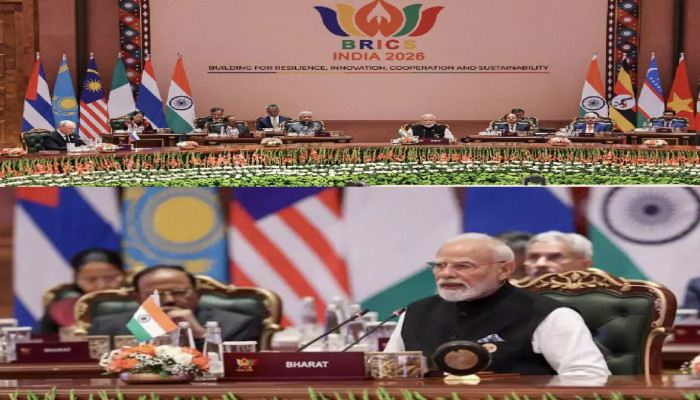
BRICS member states on Saturday adopted the New Delhi Declaration 2026 and condemned the Pahalgam terrorist attack in the “strongest terms”. The declaration reaffirmed the grouping’s commitment to combating terrorism in all forms, including the cross-border movement of terrorists, terror financing and safe havens. Member states also rejected double standards in the fight against terrorism.
The declaration stressed the importance of countering extremism and radicalisation, especially among younger generations. It called for greater cooperation among BRICS countries and their competent authorities. The members also highlighted the need to share best practices to strengthen joint efforts against terrorism.
Prime Minister Narendra Modi said the summit discussions affirmed that the changing world cannot be steered by outdated institutions. He stressed that the Global South must have equal participation in decision-making at the global level.
Modi further said, "We also emphasised that the Global South must have equal participation in the development of future technologies and the rules governing them. The gap between decisions and their outcomes must be bridged through partnership and collective action. The New Delhi Declaration adopted today provides a clear direction for our shared resolve. It is now our responsibility to translate these resolutions into tangible results."
The joint declaration came after days of negotiations among member states. India worked to bridge differences between Iran and the United Arab Emirates (UAE), which are on opposing sides of the West Asia conflict. The growing conflict had made consensus difficult within the grouping.
The West Asia crisis overshadowed this year’s BRICS Summit. Russia and China stood on one side, while the UAE, Saudi Arabia and Egypt held different positions. The differences became sharper over the past week as the Iran-backed Houthis made rapid gains in Yemen.
The Houthis captured the Yemeni port city of Mokha and the island of Perim from Saudi-backed pro-government forces. Their control of these strategic locations has raised concerns over shipping through the Red Sea. Around 12 per cent of the world’s seaborne oil and 30 per cent of container traffic pass through the waterway.
The divisions had also affected the BRICS foreign ministers’ meeting hosted by India in May. Member states failed to reach a consensus at the meeting, and no joint statement was issued. India instead released a chair’s statement.
The latest declaration marks a consensus among the members despite their differences over the West Asia conflict. The BRICS countries also stressed the need to turn their shared commitments into concrete action and strengthen cooperation on terrorism, technology and global decision-making.



 Loading...please wait
Comments