




Bolivia declares emergency as protests, road blockades deepen national crisis
- In Reports
- 04:50 PM, Jun 20, 2026
- Myind Staff
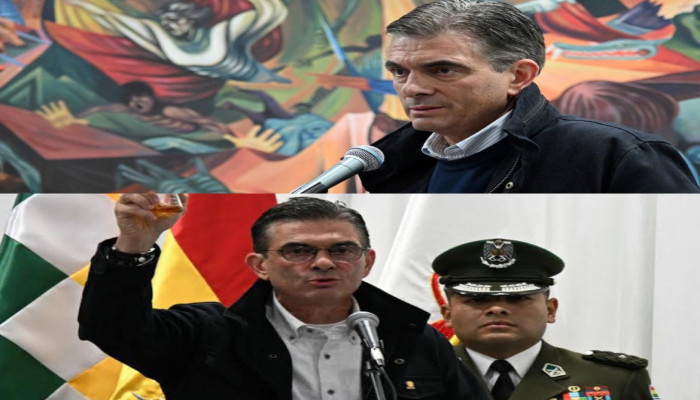
Bolivian President Rodrigo Paz has declared a state of emergency as the country faces a growing political and economic crisis caused by weeks of protests and road blockades. The announcement was made on Saturday after demonstrations and disruptions continued for nearly 50 days, severely affecting transportation, trade, and the supply of essential goods across the country.
The emergency declaration gives the government wider constitutional powers to restore order. It allows the military to be deployed more broadly to remove blockades and reopen key transport routes. The measure takes effect immediately, but under Bolivian law, the president must inform Congress within 24 hours. Congress then has up to 72 hours to approve or reject the declaration.
The protests have been led by several groups, many of which are allied with former leftist President Evo Morales. Demonstrators have blocked major roads, leaving trucks stranded and disrupting the delivery of food, fuel, and medicines. Several regions, including the capital city of La Paz, have experienced shortages because of the ongoing blockades.
The unrest began after Paz unexpectedly ended long-standing fuel subsidies as part of efforts to reduce the country’s budget deficit. The decision came at a time when Bolivia was already dealing with a worsening shortage of US dollars and holding discussions with the International Monetary Fund. Although the government later introduced measures to stabilise fuel prices and reversed unpopular land reforms, public anger continued to grow.
What started as opposition to economic reforms soon developed into broader dissatisfaction with the government. Labour unions and protest groups began demanding higher wages, an end to fuel and dollar shortages, and the resignation of President Paz.
The emergency declaration came only hours after Paz announced a deal reached on Friday with the Bolivian Workers’ Confederation (COB), the country’s main labour union. The agreement was intended to reduce tensions and create a path toward resolving the crisis.
However, the situation remains difficult because many important roads connected to Bolivia’s main production region are still blocked. These areas are largely controlled by rural groups aligned with Evo Morales. The groups were not involved in the negotiations with the government and have continued their protests, particularly in the Cochabamba region.
In a televised address to the nation, Paz said the situation had gone beyond ordinary protests and had become an organised effort to weaken democratic institutions. He stated that the emergency measures were necessary to restore public order, protect citizens, and ensure the movement of essential supplies throughout the country. He also warned that individuals responsible for continuing disruptions could face legal action.
"This is not a state of emergency to restrict people’s lives ... It is a state of emergency to give freedom back to the people, to free Bolivia from those who use political conflict to block roads and harm the population," Paz said.



 Loading...please wait
Comments