




Bangladesh turns to China for Teesta River restoration project
- In Reports
- 05:35 PM, May 07, 2026
- Myind Staff
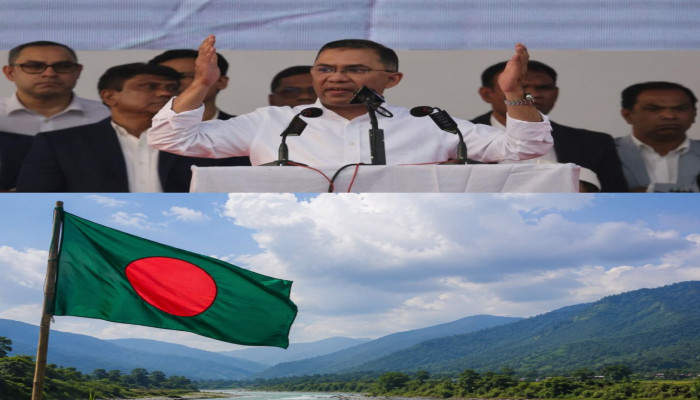
Bangladesh has formally sought support from China for the Teesta River restoration project, a move that could impact relations between Dhaka and India. The matter was discussed during a meeting between Bangladesh Foreign Minister Khalilur Rahman and Chinese Foreign Minister Wang Yi in Beijing on Wednesday.
According to Bangladesh Sangbad Sangstha (BSS), the two sides discussed issues related to the Teesta River Comprehensive Management and Restoration Project (TRCMRP). The Teesta River begins in the eastern Himalayas and passes through Sikkim and West Bengal before entering Bangladesh. In Bangladesh, the river plays a major role in irrigation and supports the livelihoods of millions of people.
The development comes at a sensitive time for regional politics. Bangladesh’s new government, headed by Tarique Rahman, has shown interest in strengthening ties with China. This has drawn attention in New Delhi due to the strategic importance of the Teesta region and the growing Chinese presence in South Asia.
During the meeting, Wang expressed support for the new Bangladeshi government and highlighted China’s willingness to deepen cooperation with Dhaka. According to the BSS report, Wang said, “China is ready to promote the alignment of the high-quality Belt and Road cooperation with Bangladesh's national development strategies and deepen cooperation in traditional areas like economy, infrastructure, and people-to-people exchanges, among others.”
He also said that the Chinese government would encourage Chinese companies to invest in Bangladesh. The statements underline Beijing’s continued efforts to expand its economic and diplomatic engagement with the country.
According to the Chinese official readout, Wang stressed that “China's development of relations with Bangladesh and other South Asian countries does not target any third party, nor should it be affected by any third party.”
This is Khalilur Rahman’s first visit to China since the new government led by Tarique Rahman came to power in February this year. He arrived in Beijing on May 5 and is expected to leave on Thursday.
Last month, Khalilur Rahman visited India. His meetings with Indian leaders were closely watched in Beijing. The interim administration led by Muhammad Yunus had earlier moved closer to China and Pakistan after the fall of former Prime Minister Sheikh Hasina. This had added strain to the relationship between Dhaka and New Delhi.
China has shown interest in the Teesta River Comprehensive Management and Restoration Project for several years. The project is located near India’s strategically important Siliguri Corridor, which connects mainland India to its northeastern states. Due to the sensitive nature of the region, the project has remained politically important for India.
Against this backdrop, India in 2024 offered technical and conservation support for the Teesta basin. The move was seen as an effort by New Delhi to strengthen cooperation with Bangladesh on transboundary river management and maintain strategic influence in the region.
Water sharing continues to remain an important issue between India and Bangladesh. The India-Bangladesh Ganges Water Treaty, signed in 1996 for a period of 30 years, governs the dry-season sharing of the Ganges River. The agreement is set to expire this year unless both sides agree to renew it.
The latest development also comes as China has expanded its financial and diplomatic presence in Bangladesh over the years. According to Bangladeshi media reports, China is Bangladesh’s fourth-largest lender after Japan, the World Bank and the Asian Development Bank. Since 1975, China has reportedly disbursed loans worth USD 7.5 billion to Bangladesh.
During Wednesday’s talks, both countries agreed to improve coordination between their development strategies. The discussions focused on strengthening the China-Bangladesh Comprehensive Strategic Cooperative Partnership.
Bangladesh also repeated its support for the One-China policy. According to the BSS report, Dhaka reaffirmed that Taiwan is an inseparable part of China and opposed any form of “Taiwan independence”.
In response, China reiterated its support for Bangladesh’s sovereignty, independence and territorial integrity. Beijing also expressed support for the development path chosen independently by the people of Bangladesh.



 Loading...please wait
Comments