




'Bangladesh turning into a blood-soaked landscape, democracy in exile': Sheikh Hasina slams Yunus-led interim government
- In Reports
- 04:09 PM, Jan 24, 2026
- Myind Staff
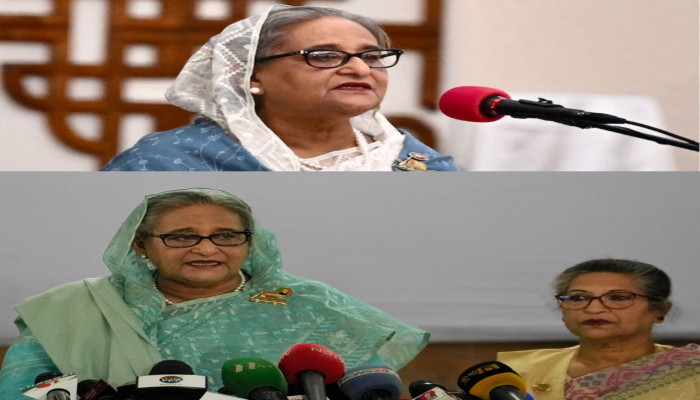
Former Bangladesh Prime Minister Sheikh Hasinahas strongly criticised the interim government led by Nobel laureate Muhammad Yunus, accusing it of pushing the country into chaos and violence. She claimed that Bangladesh is facing its “darkest hour” and described the current situation as a “blood-soaked landscape” where democracy has gone into exile.
In an audio message played during an interactive session organised by the Foreign Correspondents’ Club of South Asia, Hasina said that Bangladesh, “once a peaceful and fertile nation, is now facing extreme violence, fear, and destruction.” Her remarks reflect deep concern over the political and social instability that has gripped the country since the change of power in August 2024.
Sheikh Hasina was forced into exile after her government was overthrown following violent protests in Bangladesh in August 2024. After her removal, she took refuge in India, while Muhammad Yunus took charge as the Chief Advisor of the interim government. Since then, the country has witnessed growing unrest, with religious minorities often becoming targets of violent incidents.
Speaking about the situation after her ouster, Hasina said, “The country has descended into terror following a conspiracy in August 2024, with democracy suppressed, freedoms extinguished, and widespread violence, torture, and sexual assault occurring unchecked, particularly against women.” She further described the condition of the nation in strong words, stating, “Bangladesh has become a blood-soaked landscape today; democracy is in exile.”
Hasina also alleged that extremist communal forces and foreign actors have played a role in destabilising the country. She claimed that these forces have damaged Bangladesh and turned it into “a vast prison and execution grounds.” Her remarks were made with an apparent reference to the violent attacks against religious minorities, especially Hindus, which reportedly increased after her removal from office.
Criticising the current rulers, Hasina accused what she called a “murderous, fascist clique” of seizing power through conspiracy. She said, “A murderous, fascist clique, driven by money laundering, lust for power and betrayal has now been bleeding our nation.” She added, “They forcibly conspired to oust me, and from that day the nation has plunged into murderous anarchy.”
The former prime minister also warned of a major political crisis ahead of the general elections scheduled for February 12. She said that the polls could face a “legitimacy crisis” if her party, the Awami League, remains banned from participating in the elections. According to her, the ban on the party raises serious questions about the fairness and credibility of the upcoming vote.
Hasina further claimed that law and order in the country has collapsed and that people are struggling to survive amid widespread destruction. Her comments come at a time when Bangladesh is going through an uncertain political transition following her removal from office last year.
The interim government under Muhammad Yunus has promised to restore stability and conduct elections. However, critics have expressed concerns over the security situation and restrictions on political activities. Hasina’s supporters argue that the ban on the Awami League and the alleged crackdown on dissent weaken the credibility of the electoral process.
On the other hand, the interim administration has denied allegations of authoritarianism. It has insisted that it is taking steps to restore order and ensure free and fair elections in the country.
As Bangladesh moves closer to the February elections, Sheikh Hasina’s remarks highlight the deep divisions over the country’s political future. Her statements raise fresh questions about whether the ongoing transition will bring stability or prolong the crisis she described as a nation bleeding, with democracy pushed into exile.



 Loading...please wait
Comments