




Bangladesh begins fuel loading at Rooppur nuclear power plant
- In Reports
- 07:05 PM, Apr 28, 2026
- Myind Staff
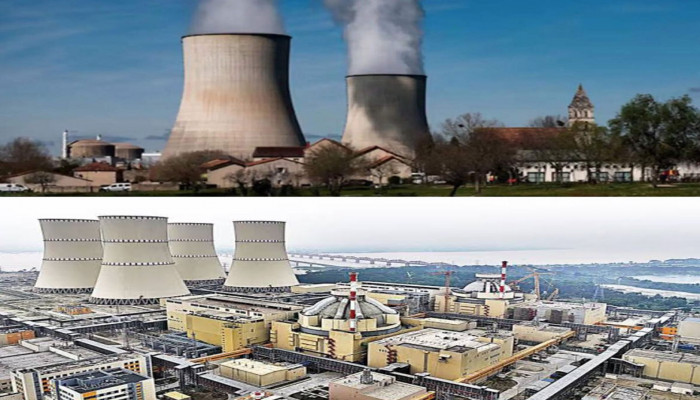
Bangladesh has reached a major milestone in its energy journey with the start of fuel loading at the Rooppur Nuclear Power Plant. The operation began at the facility located in Ishwardi Upazila, marking an important step in bringing the plant closer to electricity generation.
The commissioning of the Rooppur Nuclear Power Plant is being carried out in phases, following the guidelines set by the International Atomic Energy Agency (IAEA). As part of this structured process, the fuel loading for the first unit officially started on Tuesday. This step is crucial as it prepares the reactor for power generation after completing safety checks and technical evaluations.
Officials expect that around 300 megawatts of electricity will be added to Bangladesh’s national grid by August. If this target is achieved, Bangladesh will become the third country in South Asia, after India and Pakistan, to generate nuclear power. This development highlights the country’s growing capabilities in advanced energy production.
The project is being developed with financial and technical support from Russia and has an estimated cost of over USD 12 billion. The plant will produce electricity in stages, with different units being activated one after another. This phased approach ensures careful monitoring and smooth integration into the national power system.
Once the Rooppur Nuclear Power Plant becomes fully operational, it is expected to have a total capacity of 2,400 megawatts. The plant is located on the banks of the Padma River, a strategic location that supports its cooling and operational needs. This capacity will significantly contribute to meeting the country’s rising electricity demand.
Earlier in April, Bangladesh had announced plans to connect nuclear power to its national grid within the year. This move comes at a time when the country is dealing with an ongoing energy crisis. The crisis has been influenced by the situation in West Asia, which has affected fuel supply and energy costs globally. The introduction of nuclear energy is seen as a stable and long-term solution to strengthen the country’s energy security.
According to officials, at least one unit of the plant is expected to start supplying electricity to the grid within this year. The government aims to ensure a steady and reliable power supply for its population through this project. The addition of nuclear power is expected to reduce dependence on imported fuels and improve overall energy stability.
On April 16, an important administrative step was completed when the Bangladesh Atomic Energy Regulatory Authority granted the commissioning licence for Unit-1 of the plant. The licence, along with personnel authorisation, was handed over by Chairman Mahmudul Hasan to M Moinul Islam, Chairman of the Bangladesh Atomic Energy Commission. This approval cleared the way for the start of fuel loading and further commissioning activities.
The Rooppur Nuclear Power Plant is being seen as a landmark project in Bangladesh’s energy sector. The start of fuel loading in the first unit marks significant progress in the country’s nuclear energy programme. It reflects years of planning, international collaboration, and investment in infrastructure.
The official inauguration of the fuel loading process for Unit-1 is expected to take place in the last week of April. This ceremony will formally mark the beginning of the final stages before electricity generation begins. Following the start of fuel loading, electricity from the first unit is expected to be added to the national grid within approximately three months.
After the initial power generation begins, the plant will undergo phased testing and gradual capacity enhancement. These steps are necessary to ensure that all systems are functioning safely and efficiently. Full-capacity power transmission from the plant is targeted to be achieved by December.
Overall, the progress at the Rooppur Nuclear Power Plant signals a major step forward for Bangladesh. It reflects the country’s efforts to diversify its energy sources and build a more secure and sustainable power system for the future.



 Loading...please wait
Comments