



‘Bab al-Mandab can be new flashpoint, if provocation persists’: Iran warns
- In Reports
- 08:18 PM, Mar 26, 2026
- Myind Staff
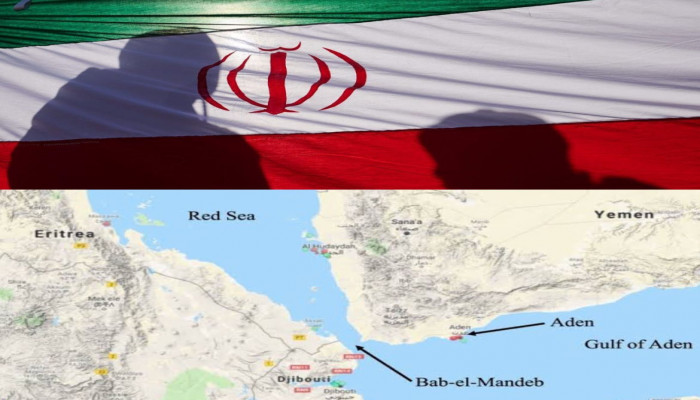
Iran has issued a strong warning that it could expand the ongoing conflict by targeting critical global maritime routes, including the Bab al-Mandab Strait, if military pressure from the United States and its allies continues. A military source speaking to Tasnim News Agency suggested that Tehran may open what it described as “new surprise fronts,” raising concerns about further disruption to international trade and shipping.
“In case the enemy decides to take provocative measures in southern Iran, new fronts could open that will surprise the enemy," the military source said, according to Tasnim. This warning comes at a time when tensions between Iran and Israel, along with the United States, have sharply increased. The current phase of conflict began after joint strikes carried out on February 28, and hostilities have continued to intensify since then.
The report identified the Bab al-Mandab Strait as a possible flashpoint if the situation worsens. This narrow waterway is strategically important as it connects the Indian Ocean to the Red Sea and further to the Suez Canal. Any disruption here could impact global shipping on a large scale. The military source emphasised the importance of the route and Iran’s readiness to act if required. “The Bab al-Mandab Strait is considered one of the world’s strategic straits, and Iran has both the will and the ability to create a completely credible threat against it," the source said.
The warning also included a reference to the Strait of Hormuz, another key global energy corridor. The Iranian official cautioned that any attempt by the United States to take action regarding Hormuz could lead to retaliation in other maritime regions. “Therefore, if the Americans want to think of a solution for the Strait of Hormuz with stupid measures, they should be careful not to add another strait to their problems and predicaments," the source added.
According to AFP, Iran has further indicated that shipping routes in the Red Sea could also come under threat if the United States launches a ground invasion. This raises the possibility of disruptions across multiple critical trade routes essential for global commerce and energy supply.
The military source stressed that Tehran is closely monitoring all developments and is prepared to respond if necessary. “We are constantly monitoring and keeping an eye on the enemy front’s preparations and developments," the source said. The statement also made it clear that any attempt to impose pressure on Iran through military action, whether on land or at sea, would lead to a broader response.
“If the enemy wants to take action on land in the Iranian islands or anywhere else in our lands or to inflict costs on Iran with naval movements in the Persian Gulf and the Sea of Oman, we will open other fronts for them as a surprise so that their action will not only be of no benefit to them but will also double their costs," the source said.
The situation has already raised serious concerns about global energy security, especially around the Strait of Hormuz. This route is one of the most important in the world, with nearly one-fifth of global oil and liquefied natural gas supplies passing through it. Since the recent escalation began, Iran has largely restricted traffic through the strait, contributing to rising energy prices and fears of supply shortages.
Western countries are now exploring ways to secure these vital shipping lanes. However, experts believe that ensuring safety in the Strait of Hormuz will be far more challenging than previous efforts in the Red Sea. Past operations aimed at protecting vessels from attacks by Yemen’s Houthi forces proved expensive and only partially successful. Reports suggest that billions of dollars were spent, yet several ships were still attacked or sunk between 2024 and 2025. As a result, many shipping companies continue to avoid the route due to ongoing risks.
Analysts also point out that Iran’s advanced military capabilities add to the difficulty. These include drones, missiles, and sea mines placed along its rugged coastline, making navigation through the narrow strait more dangerous.
The Iranian source also referred to what it described as an Israeli strike on the South Pars Gas Field in Asaluyeh. This reference was used as a warning that Tehran remains ready to escalate further if tensions continue. “If the enemy has doubts and lacks the wisdom to learn from its experiences, it can test us again, like (they did) in the Asaluyeh incident," the source said.
Recent developments show that Israel has carried out strikes across Iran, while Tehran has responded with missile attacks targeting Israeli territory and infrastructure in the Gulf region. This ongoing exchange highlights the growing scale of the conflict and the increasing risk of it spreading beyond its current boundaries.



 Loading...please wait
Comments