




Ayodhya Ram Temple to get FSSAI’s ‘Eat Right Place’ tag for safe prasad
- In Reports
- 07:09 PM, Oct 08, 2026
- Myind Staff
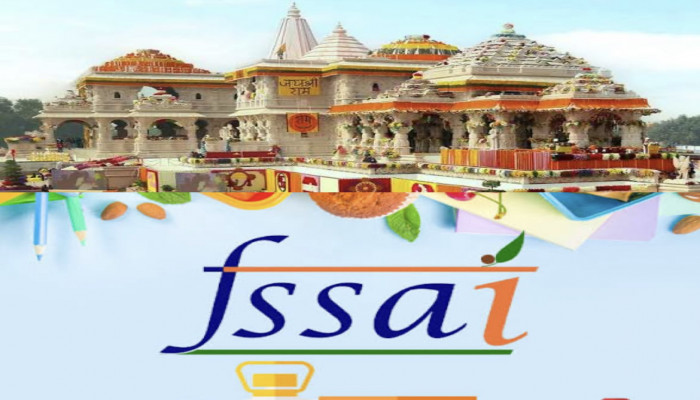
The Ram Temple in Ayodhya will be recognised as an “Eat Right Place” under the Food Safety and Standards Authority of India (FSSAI), according to News18. The recognition follows an assessment of the quality, hygiene and food safety standards followed for prasad distributed and sold at the temple complex.
The move comes amid concerns over the sale of sweets falsely marketed as temple prasad. The Central Consumer Protection Authority (CCPA) has imposed a Rs 1 lakh penalty on an e-commerce platform for allegedly allowing sweets to be sold under the misleading label “Shri Ram Mandir Ayodhya Prasad”. The authority said crores of devotees unable to travel to Ayodhya turned to online platforms for prasad, believing the sweets carried the sanctity of offerings authorised by the temple.
The “Eat Right Places of Worship” initiative is an FSSAI programme that aims to improve food safety and hygiene at religious places. It covers temples, gurdwaras, mosques and other places of worship where prasad, langar and other food items are prepared and served. It promotes safe food practices, prevents irregularities in food distribution and improves compliance with the Food Safety and Standards Act, 2006, along with its rules and regulations.
Under the initiative, the place of worship or food handlers must first obtain a valid FSSAI registration or licence. An FSSAI-recognised auditing agency then conducts a third-party audit of kitchens, storage areas and food-handling practices. The audit checks whether the facilities meet the required food safety standards.
Food handlers also receive training in hygiene and food safety practices. If the initial audit finds shortcomings, the concerned facility must take corrective measures. A post-audit assessment is done to check compliance with the required standards.
After meeting the prescribed food safety and hygiene requirements, the place of worship receives formal recognition under the programme through BHOG certification. The certification indicates that the facility has adopted the required practices for safe preparation, handling, storage and distribution of food.
The initiative also encourages food vendors operating within and around places of worship to obtain the necessary FSSAI registration or licence. Cooks, kitchen workers and other food handlers receive basic food safety training through FSSAI’s Food Safety Training and Certification (FoSTaC) programme.
FSSAI also encourages places of worship to display food safety messages and Food Safety Display Boards. These are intended to create awareness among devotees and encourage them to follow safe food practices while consuming or handling food at religious premises.



 Loading...please wait
Comments