




Austria takes on Ukrainian blacklist to preserve business connections with Russia
- In Reports
- 05:09 PM, Dec 15, 2023
- Myind Staff
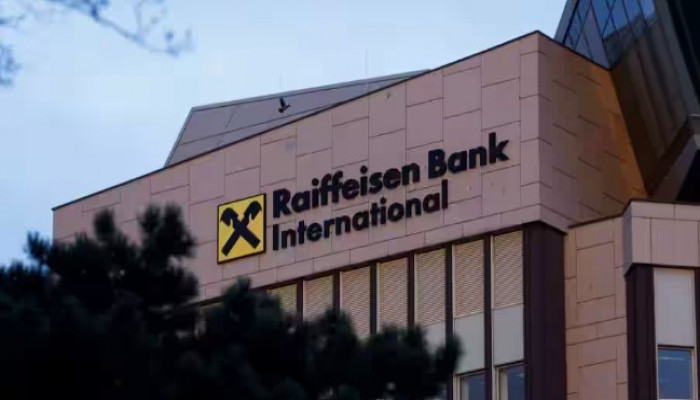
According to the report, Austria is diplomatically advocating for the removal of Raiffeisen Bank International, the largest Western bank in Russia, from a Ukrainian blacklist. This diplomatic maneuver is contingent on Austria's endorsement of new European Union sanctions against Russia.
The diplomatic move underscores Austria's significant economic ties with Russia, Raiffeisen Bank International's commitment to sustaining its profitable operations in the country, and a broader trend of diminishing Western efforts to isolate Moscow.
Austria, along with Raiffeisen, is actively advocating for the removal of the bank from a Ukrainian list labeled "international sponsors of war." This list is designed to publicly condemn companies involved in business with Russia, implying support for the war effort through activities like tax payments. Despite Austria's publicly declared support for Ukraine, some officials express hesitancy in severing longstanding ties with Russia, holding onto the belief that relations could be restored in the future.
Austria's Foreign Minister, Alexander Schallenberg, voiced open criticism of the blacklist as arbitrary during a meeting of European ministers in Kyiv, according to information from a person briefed on the discussions. Raiffeisen Bank International is currently the only Austrian company listed on the controversial compilation. Austrian officials have actively communicated their concerns about the list in Brussels, raising the issue in meetings with EU officials and diplomats over the past few weeks.
Representatives from Raiffeisen Bank have engaged with Ukraine's National Agency of Corruption Prevention, the entity responsible for the blacklist, in an effort to explore avenues for the bank's removal. While some companies, including Hungary's OTP Bank, have successfully been delisted due to government intervention, this move has caused dissatisfaction among Austrian officials and Raiffeisen.
Expressing discontent, a Raiffeisen spokesperson stated, "We find it unfair that we are on the list." The Austrian chancellery acknowledged the submission of legal documents related to EU sanctions but refrained from providing further comments.
The bank's presence in Russia highlights the deep economic ties between Austria and Russia, bolstered by Russian gas pipelines and financial connections. Austria's lobbying efforts, mirroring actions taken by Hungary, carry the risk of undermining Europe's unity on the Ukrainian issue.
While the Ukrainian blacklist lacks legal standing, its symbolic significance adds pressure on Raiffeisen to consider withdrawing from Russia. Although the bank has expressed a willingness to exit Russia, concrete actions are yet to materialize. Raiffeisen had initially planned to spin off its Russian business under international regulatory pressure. Despite internal divisions within Raiffeisen's management and among controlling Landesbanks, key Austrian officials staunchly support the bank, considering it integral to the country's economy.
With approximately 2,600 corporate customers, 4 million local account holders, and 10,000 staff in Russia, Raiffeisen has become a litmus test for Western resolve to sever ties with Russia. Russian authorities have signaled a desire for Raiffeisen to stay, citing its role in facilitating international payments.
Image source: Wion



 Loading...please wait
Comments