




Assam records highest drug trafficking cases in East and Northeast India
- In Reports
- 12:26 PM, May 23, 2026
- Myind Staff
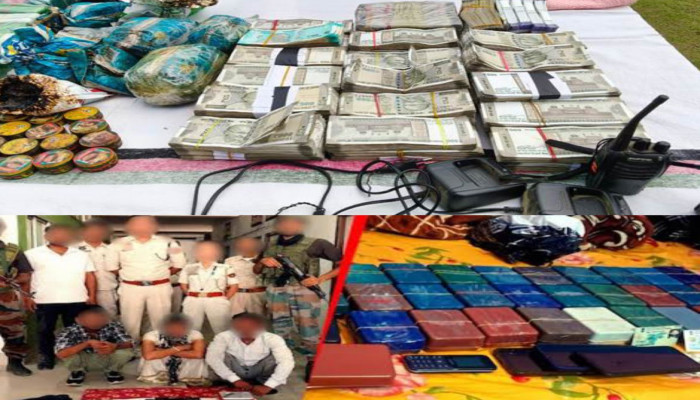
Assam has reported the highest number of cases registered under the Narcotic Drugs and Psychotropic Substances (NDPS) Act in eastern and northeastern India over the last five years, according to a cross-border drug trafficking and seizure report prepared using data from the Narcotics Control Bureau (NCB). The report also identified Manipur as the biggest hotspot for heroin seizures in the region.
The findings were based on seizure and enforcement data collected from 12 eastern and northeastern states between 2020 and 2024. The report highlighted a sharp rise in drug-related arrests, seizures and recoveries across the region. Assam registered 12,500 NDPS cases during the five-year period and recorded 20,398 arrests, the highest among all states covered in the report. Odisha followed closely with 12,405 cases and 17,016 arrests.
While Assam topped the list in overall NDPS cases, Manipur recorded the highest heroin seizures. Enforcement agencies recovered 1,750.34 kg of heroin from the state during the period. The report described Manipur as a “high-value trafficking risk profile” in the eastern and northeastern corridor. Officials noted that much of the narcotics entering Manipur comes through the international border it shares with Myanmar. The drugs are believed to originate from the “Golden Triangle” — the heroin and synthetic drug-producing region spanning Myanmar, Laos and Thailand.
The report also showed that West Bengal recorded 605.8 kg of heroin seizures during the five years, followed by Assam with 573.96 kg and Bihar with 485.24 kg. These figures point to the growing use of eastern states as transit and distribution routes for narcotics trafficking networks.
Apart from heroin trafficking, the report flagged Mizoram as a major concern in the synthetic drugs category. The state recorded the highest seizures of ATS or amphetamine-type stimulants among the 12 states. Agencies recovered 2,218.27 kg of ATS from Mizoram between 2020 and 2024. Officials believe the rising flow of synthetic drugs in the region is linked to cross-border trafficking networks operating through neighbouring countries.
Odisha emerged as the state with the highest ganja seizures in the region. Enforcement agencies recovered 850,792 kg of ganja from the state during the five-year period. Tripura recorded the second-highest seizures at 221,731 kg, while Assam stood third with 179,462 kg. The report noted that Odisha consistently witnessed an increase in cannabis recoveries every year. In 2023 alone, more than 212,000 kg of ganja was seized in the state.
The report also highlighted concerns over the illegal diversion and trafficking of pharmaceutical drugs across eastern and northeastern states. West Bengal recorded the highest seizure of codeine-based cough syrup (CBCS) bottles, with agencies recovering nearly 2.75 million bottles during the period. Assam topped tablet recoveries with more than 17.2 million pharmaceutical tablets seized over five years.
Tripura too reported large-scale recoveries of pharmaceutical tablets and CBCS bottles. Investigators believe organised trafficking networks are using the region for the illegal movement and distribution of pharmaceutical drugs.
Bihar and Jharkhand were identified as states showing “notable opium and poppy indicators”. The report pointed to vulnerabilities in overland trafficking routes passing through these states. Jharkhand recorded more than 4,206 kg of opium seizures and over 326,000 kg of poppy husk or straw recoveries between 2020 and 2024. Bihar reported 1,920 kg of opium seizures along with more than 35,000 kg of poppy husk recoveries.
The report comes at a time when the Centre has intensified its anti-drug campaign across the country. The government has announced its goal of eliminating the drug menace from India by 2047. Union Home Minister Amit Shah, at a recent event, highlighted the government’s resolve, which includes cracking down on drug trafficking through land and maritime borders, strengthening the NCB, and ensuring coordinated action among agencies.
The report stressed the need for stronger coordination among enforcement agencies to tackle the growing drug network in eastern and northeastern India. It recommended better intelligence-sharing between the NCB, state police forces, Customs, the Directorate of Revenue Intelligence (DRI), Border Security Force (BSF), Assam Rifles and railway and highway interdiction units.
Officials also called for closer monitoring of precursor chemical diversion, pharmaceutical drug trafficking and financial investigations linked to narcotics networks. The findings underline the increasing challenges faced by agencies in controlling cross-border trafficking and preventing the spread of narcotics across the region.



 Loading...please wait
Comments