



Asim Munir reportedly orders Asif to remove controversial post on Israel amid mediation concerns
- In Reports
- 07:04 PM, Apr 10, 2026
- Myind Staff
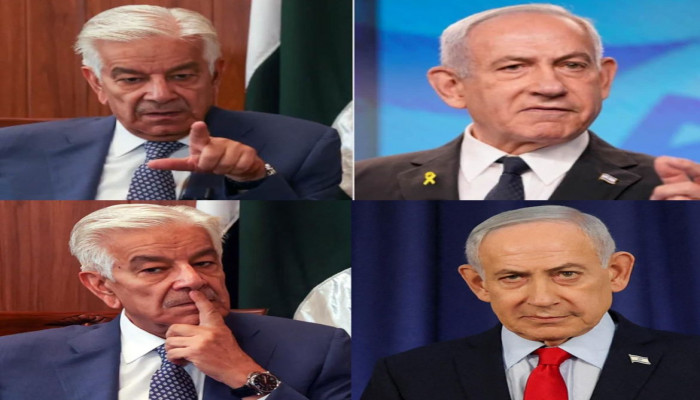
A fresh controversy has emerged in Pakistan after reports claimed that Asim Munir intervened to make Defence Minister Khwaja Asif delete a social media post related to Israel. According to Indian intelligence sources, the move highlights growing tensions within Pakistan’s leadership and points to a widening gap between civilian authorities and the military establishment.
The reported intervention has raised questions about decision-making within Pakistan, especially at a time when the country is involved in sensitive diplomatic efforts. Sources stated that Pakistan’s ministers were “behaving irresponsibly," a remark that reflects concerns over how public statements by officials may impact international negotiations. The situation has grabbed Washington’s attention amid an increasing perception that Islamabad is struggling to manage its internal leadership dynamics.
This development comes at a crucial moment, as Pakistan is seen as playing a role in the ongoing mediation between the United States and Iran. Sources warned that such incidents could weaken Pakistan’s position as a neutral intermediary. They noted that statements like the one made by Asif risk provoking reactions from key stakeholders, including Israel, which could complicate already delicate ceasefire discussions.
The timing of the controversy is significant. Negotiations between the US and Iran remain fragile, and any disruption could have wider regional consequences. According to the sources, if the mediation effort collapses, it could lead to renewed tensions in the Gulf region. This, in turn, may trigger a sharp rise in global oil prices and add to Pakistan’s economic challenges. The country is already dealing with inflation and energy shortages, and further instability could worsen the situation.
There are also security concerns linked to the issue. Sources indicated that increased instability in the region could spill over into Pakistan’s western borders. This may create conditions for a rise in militant activity, adding another layer of risk for the country. The broader implication is that internal missteps in diplomacy could have both economic and security consequences.
At the centre of the issue is the role of Pakistan’s military in shaping foreign policy. Sources emphasised that the Army, under Munir’s leadership, continues to hold decisive control over key international matters. This limits the authority of the elected government and reduces its ability to act independently in diplomatic engagements. The latest episode is seen as another example of this imbalance.
The incident also reflects a recurring pattern in Pakistan’s governance structure. Civilian leaders are often sidelined during critical diplomatic processes, including those involving the US and Iran. This allows the military to maintain strategic flexibility while keeping tight control over foreign policy decisions. However, it also raises concerns about consistency and accountability in Pakistan’s international stance.
From India’s perspective, the episode reinforces the view that Pakistan’s civilian leadership lacks both discipline and autonomy. Sources said the Army is effectively “calling the shots" when it comes to major international issues. This perception could further affect Pakistan’s credibility on the global stage, especially when it seeks to present itself as a reliable mediator.
The fallout from the controversy is being described as self-inflicted. While the military’s strategic approach remains unchanged, the incident has the potential to weaken Pakistan’s diplomatic standing. At a time when the country is trying to position itself as a key player in regional negotiations, internal divisions and conflicting signals may undermine its efforts.
Overall, the situation highlights the challenges Pakistan faces in balancing civil-military relations while managing complex international responsibilities. The reported intervention by Munir and the subsequent deletion of Asif’s post have brought these issues into sharp focus, raising concerns about the country’s ability to navigate sensitive diplomatic roles effectively.



 Loading...please wait
Comments