



ASI tells MP High Court Kamal Maula structure used remains of ancient temples at Bhojshala Site
- In Reports
- 04:23 PM, Feb 24, 2026
- Myind Staff
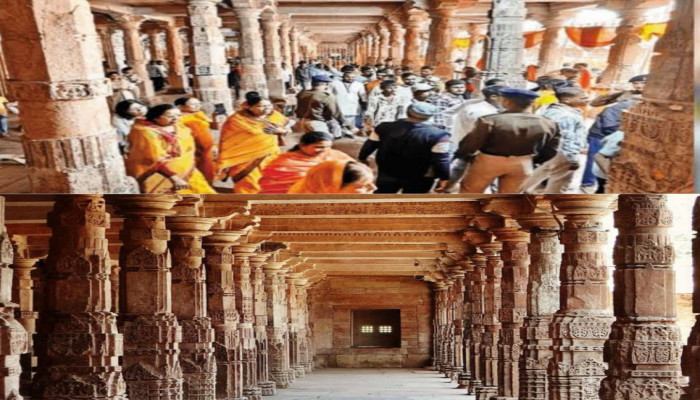
The Archaeological Survey of India (ASI) has informed the Indore bench of the Madhya Pradesh High Court that the Kamal Maula Mosque, located inside the Bhojshala complex in Dhar district, was built using parts of ancient temples that existed at the same place earlier.
The ASI submitted its detailed report to the High Court in a sealed cover. The report is based on a scientific survey and excavation carried out at the disputed site. According to the ASI’s findings, many architectural parts, pillars, sculptures, and carved stones used in the present mosque structure belong to earlier temple buildings. The report says these temple parts were reused in the construction of the mosque.
The court opened the sealed report during the hearing of the long-running Bhojshala dispute case. A division bench of Justice Vijay Kumar Shukla and Justice Alok Awasthi directed that copies of the report be given to all parties involved in the matter. The judges said that the petitioners, respondents and other concerned sides must submit their objections and responses within two weeks. The next hearing in the case is scheduled for March 16, 2026.
The ASI report runs into nearly 2,000 pages and is divided into 10 volumes. It was prepared after a 98-day survey of the Bhojshala-Kamal Maula complex. The team conducted excavations, documentation, architectural studies and analysis of sculptures and inscriptions found at the site.
According to the report, 94 sculptures and sculptural fragments were found during the survey. Many of these were either damaged or defaced, but their original forms could still be identified. The sculptures include figures of Hindu deities such as Ganesh, Brahma with his consorts, Narasimha and Bhairava. The survey also found carvings of human and animal figures, along with decorative motifs like kirtimukha and vyala. These elements are commonly seen in temple architecture.
The ASI report states that these sculptural and architectural fragments were reused in the later construction of the mosque structure. It notes that the earlier temple remains show detailed craftsmanship and design, while the later structure appears to have been built using available materials from the older buildings.
Members of the Hindu side welcomed the findings of the ASI. Ashish Goyal, state vice-president of the Hindu Front for Justice and one of the petitioners, said the report supports their long-standing claim. He said, “establishes that the entire structure dates back to the Paramara dynasty” and that it was built by “Raja Bhoj and his ancestors”, making it around 950 to 1,000 years old.
He further said, “It should not matter whether the report has been opened now or earlier. What should matter is what the religious character of Bhojshala would be. This is the issue on which the Hindu community has been struggling for years.”
Another petitioner, Ashok Jain, convenor of the Bhoj Utsav Samiti, also reacted to the report. He said their stand from the beginning was clear, “If the place was a mosque, it should be given to them (Muslims) and if it is a temple it should come to us. Now the court has given two weeks for all to reply. We will take appropriate steps after the next hearing.”
Jain also stated that the report shows that “materials and remains from the original Bhojshala of that period were used after being dismantled.”
The Bhojshala-Kamal Maula site has been at the centre of a dispute for years. Hindus believe it is a temple linked to the Paramara dynasty and to Raja Bhoj, while Muslims consider it the Kamal Maula Mosque and dargah. The High Court will now examine the ASI report and the responses from both sides before moving ahead in the case.



 Loading...please wait
Comments