



Araghchi arrives in Islamabad, rules out direct talks with US
- In Reports
- 06:34 PM, Apr 25, 2026
- Myind Staff
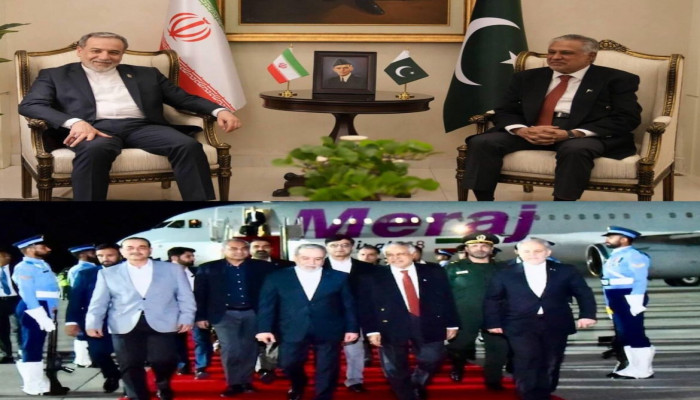
Iran has made it clear that it will not hold any direct discussions with the United States during Foreign Minister Abbas Araghchi’s ongoing visit to Islamabad. The trip had earlier raised expectations of broader diplomatic engagement, including possible interaction with American officials. However, Tehran clarified its position soon after Araghchi arrived in Pakistan, ruling out any face-to-face meetings with US representatives.
Iran’s foreign ministry spokesperson Esmael Baqaei confirmed the development through a post on X. He stated clearly, "No meeting is planned to take place between Iran and the US." Instead of direct dialogue, Iran has indicated that Pakistan will act as a mediator between the two sides. This suggests that any communication between Tehran and Washington during the visit will happen indirectly, with Islamabad playing a key role.
Baqaei also expressed appreciation for Pakistan’s role in the situation. He thanked the Pakistani government for its "ongoing mediation & good offices for ending American-imposed war of aggression." This highlights Iran’s preference for indirect diplomacy while still keeping channels of communication open through a trusted intermediary.
The clarification from Iran came shortly after the White House had suggested a different scenario. According to reports by the Associated Press, US officials had indicated earlier on Friday that American envoys were expected to meet Araghchi during his trip. This created speculation about a possible breakthrough in stalled negotiations between the two countries.
At the same time, former US President Donald Trump’s press secretary Karoline Leavitt had told Fox News that senior figures Steve Witkoff and Jared Kushner were expected to meet the Iranian foreign minister. She said, “We’re hopeful that it will be a productive conversation and hopefully move the ball forward to a deal,” indicating optimism from the US side about possible progress.
Leavitt further added that US Vice President JD Vance would not travel to Pakistan at this stage but remained actively involved in the process. She noted that he could visit Islamabad if necessary, depending on how the situation develops. According to her, Vance, Marco Rubio, and the president’s national security team were on “standby” and ready to travel to Pakistan if required. This shows that the US administration is closely monitoring the developments and is prepared to step in quickly.
Earlier this month, JD Vance had already visited Islamabad for direct talks with Iranian representatives. That round of discussions was seen as a serious attempt to break the ongoing diplomatic deadlock. However, the talks did not lead to any concrete results. After the meeting, Vance revealed that the negotiations had lasted for more than 21 hours, underlining the intensity and complexity of the discussions.
This time, instead of direct high-level talks, the US has sent envoys Steve Witkoff and Jared Kushner, as per the Associated Press, citing a White House statement. Their presence signals continued US interest in engaging with Iran, even if direct meetings are not currently on the table.
Meanwhile, Araghchi arrived in Islamabad late on Friday night and was welcomed by Pakistan’s senior leadership. Among those present were Deputy Prime Minister and Foreign Minister Senator Mohammad Ishaq Dar and Chief of Army Staff Asim Munir, along with other top officials. The reception reflects the importance Pakistan is placing on this visit.
Before his arrival, Araghchi had shared a message on social media stating that his visit would focus on “bilateral matters and regional developments.” He did not provide specific details about his meetings or the individuals he would engage with during the trip. This kept the agenda broad while leaving room for diplomatic discussions behind closed doors.
According to Pakistan’s foreign office, the visit will include meetings with senior Pakistani leadership. The discussions are expected to focus on “the evolving regional situation and ongoing efforts to maintain peace and stability in the region.” This indicates that the talks will not only cover Iran-Pakistan relations but also address wider regional concerns.
Overall, while expectations of direct Iran-US engagement during this visit have been ruled out, the involvement of Pakistan as a mediator keeps diplomatic channels open. The situation reflects cautious diplomacy, where indirect communication is being preferred over direct negotiations at this stage.



 Loading...please wait
Comments