



Andhra Pradesh announces draft population management policy with ₹25,000 Incentive for third child
- In Reports
- 05:59 PM, Mar 06, 2026
- Myind Staff
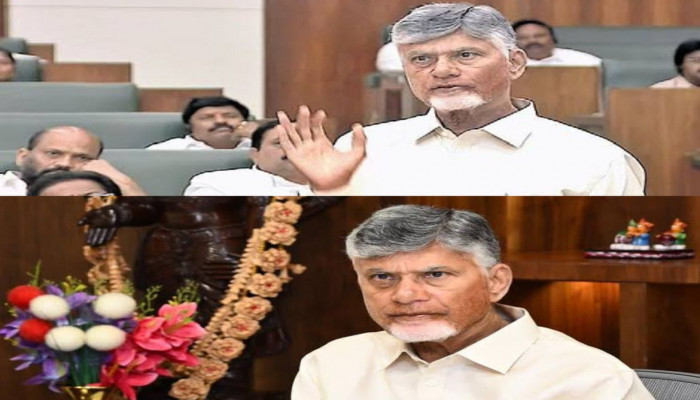
The Andhra Pradesh government has announced what could become India’s first population management policy aimed at encouraging families to have more children. The draft policy was presented in the state assembly by Chief Minister N. Chandrababu Naidu and includes several incentives, including a financial reward of ₹25,000 for couples who have a third child.
The announcement comes at a time when the country is preparing for the 16th edition of the Census next month. According to the chief minister, the state government plans to finalise the policy by the end of March and implement it from April 1.
The policy aims to address concerns over declining fertility rates in the state. As part of the proposal, couples who give birth to a third child will receive ₹25,000 as an incentive. In addition to this, the government plans to provide free education for the third child until the age of 18. Subsidised IVF services will also be made available for couples facing fertility issues.
Other proposed measures include special leave benefits for couples who have a third child. The government also plans to construct working women’s hostels and childcare centres to support families.
The proposal comes as southern states express concerns about falling fertility rates and how this may affect their representation in Parliament. With the Census expected to be followed by the delimitation of Lok Sabha seats, states in the south have raised worries that lower population growth could reduce their political representation.
According to the National Family Health Survey-5, the total fertility rate in Andhra Pradesh is currently estimated at 1.4. Telangana’s fertility rate stands at 1.6. Kerala and Karnataka have a fertility rate of 1.7, while Tamil Nadu has a rate of 1.82. In comparison, India’s overall fertility rate is estimated to be between 1.9 and 2.
The draft policy also includes expanded parental leave benefits. Under the proposal, mothers will be given 12 months of maternity leave when they give birth to a third or subsequent child. Fathers will also be entitled to two months of paternity leave.
Government employees with three children who are approaching retirement will receive additional benefits. These include 15 days of wellness leave along with a health fund of ₹50,000.
The government also plans to launch an awareness campaign titled “Equal Responsibility of Parents.” The campaign will promote shared responsibility between parents in raising children and managing family life.
Explaining the reason behind introducing the new policy, the chief minister pointed out that the fertility rate in Andhra Pradesh has fallen sharply over the years. “The fall in fertility rate poses a threat to economic growth with a fall in the number of young working people and the state will face ageing problems like in Japan, South Korea and Italy,” he said.
According to the chief minister, data from 2023 shows that around 6.7 lakh births are recorded annually in the state. If the current trend continues, nearly 23 per cent of the population in Andhra Pradesh could become elderly by the year 2047.
Naidu also explained that the incentive for a third child will be provided under a programme called the Poshana-Siksha-Suraksha package. “The 25,000 will be paid under the Poshana-Siksha-Suraksha package to encourage a third child birth. In addition, 1,000 per month will be given to the third child,” he said.
The state government is already providing financial assistance through the Talliki Vandanam scheme, under which ₹15,000 is given for each school-going child. The benefit is provided to women regardless of how many children they have, with the aim of supporting families and encouraging population growth.
Naidu also highlighted the need to increase women’s participation in the workforce. He said that the current participation rate of women in the workforce in Andhra Pradesh stands at 31 per cent and should rise to 59 per cent in order to achieve a 15 per cent growth in Gross State Domestic Product.
The chief minister stated that the government is moving beyond traditional family planning approaches and is adopting a broader population management strategy because of the steady decline in fertility rates.
The proposed policy will focus on supporting women throughout their lives. The government plans to follow a five-tier lifecycle approach that includes motherhood, empowerment, welfare, skill development, and rejuvenation.
Naidu also announced plans to establish a centre of excellence for maternity care. IVF services will be offered at subsidised rates through a public-private partnership model to help couples facing infertility issues.
The government also intends to reduce unnecessary caesarean deliveries and lower teenage pregnancy rates. According to the chief minister, teenage pregnancies currently stand at 8.8 per cent, and the state aims to bring this down to less than 3 per cent.
The draft population management policy is expected to be finalised by the end of March. The government plans to implement it across the state from April 1.



 Loading...please wait
Comments