




Amnesty International seeks independent investigation into Pakistan's Kabul airstrikes
- In Reports
- 07:09 PM, Jul 22, 2026
- Myind Staff
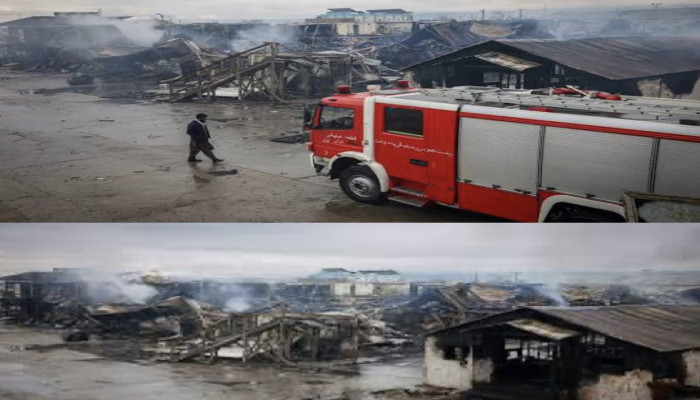
Amnesty International has called for an independent investigation into Pakistan's airstrikes in Kabul carried out four months ago. The human rights organisation said the attacks may amount to a possible war crime under international law. It released its findings on Wednesday after reviewing evidence from the strike site and interviewing people linked to the incident.
The airstrikes took place on March 16. According to the United Nations Assistance Mission in Afghanistan (UNAMA), the attacks killed at least 269 civilians and injured another 122 people. UNAMA had earlier stated that the strikes hit a drug rehabilitation centre. The Taliban-led government in Afghanistan also accused Pakistan of targeting the same facility during the operation.
Pakistan rejected those allegations. It maintained that its military had targeted "military and terrorist infrastructure" during the operation. Islamabad has repeatedly said that the strikes aimed at security threats and not civilian locations.
Amnesty International challenged Pakistan's version of events in its latest report. The organisation said it found no evidence to support Islamabad's claim that the target was linked to military or terrorist activities. It stated that its investigation pointed to a civilian healthcare facility instead.
"The air strikes violated the special protection afforded to healthcare facilities under international humanitarian law (IHL)," as well as "the principles of distinction, precaution and proportionality designed to protect civilians," Amnesty International said.
The organisation explained that it based its findings on extensive research. It analysed more than 60 photographs and videos taken from the site after the attack. It also examined satellite images and conducted interviews with current and former employees of the drug rehabilitation centre. Amnesty International said it used several other sources to verify its conclusions before releasing the report.
Pakistan's foreign ministry did not immediately respond to Amnesty International's findings or its demand for an investigation.
The disagreement over the strike began soon after the attack. On March 17, one day after the operation, Pakistani Information Minister Attaullah Tarar dismissed claims made by the Taliban government. He denied that Pakistan had targeted a medical or civilian facility during the mission.
"No hospital, no drug rehabilitation centre, and no civilian facility was targeted," Tarar wrote in a post.
The March airstrikes came during a period of rising tensions between Pakistan and Afghanistan's Taliban-led government. Security forces from both countries have continued to exchange fire along their shared border in the months that followed. The situation has remained tense as both sides accuse each other of creating security problems.
Pakistan has defended its military operations inside Afghanistan. It says the strikes were a response to a sharp rise in militant attacks inside Pakistan. Islamabad has repeatedly accused the Taliban government in Kabul of allowing Pakistani militant groups to operate from Afghan territory. Afghan authorities have consistently rejected those accusations. The Taliban government has denied that it supports Pakistani militants.
Amnesty International's report adds fresh international attention to the March airstrikes. The organisation believes the available evidence raises serious concerns about compliance with international humanitarian law. It has urged authorities to carry out a thorough and independent investigation into the incident. The group said accountability is necessary if violations of international law are confirmed.
The report also places renewed focus on the impact of military operations on civilians during cross-border conflicts. Amnesty International maintains that healthcare facilities receive special protection under international humanitarian law. It said any attack on such facilities requires strict legal scrutiny. The organisation concluded that the available evidence does not support Pakistan's claim that the target was military infrastructure.
The findings are likely to add to diplomatic tensions between Pakistan and Afghanistan. They may also increase international calls for transparency over the March operation. Pakistan has not changed its position on the strikes, while the Taliban government continues to deny any involvement with militant groups that Islamabad blames for attacks inside its territory.



 Loading...please wait
Comments