




Alibaba sues US over Pentagon blacklist for links with Chinese military firms
- In Reports
- 12:58 PM, Jun 24, 2026
- Myind Staff
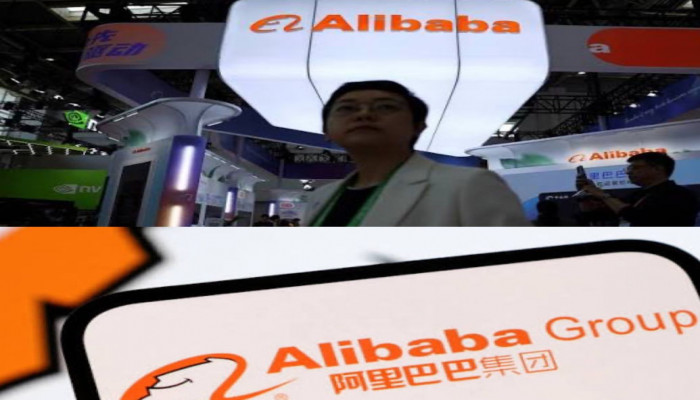
Chinese technology and e-commerce giant Alibaba has filed a lawsuit against the United States government, seeking to be removed from a Pentagon blacklist that identifies companies allegedly linked to China's military. The company argues that the designation is unjustified and has already caused significant damage to its reputation and business interests.
The lawsuit was filed in a federal court in San Jose, California. It came after the US Department of Defence recently expanded its list of so-called Chinese military companies to 188 entities. The blacklist is prepared under a US law designed to identify companies that Washington believes may support China's military through commercial activities or technological cooperation.
Alibaba was added to the list because the Pentagon claims the company contributes to China's "military-civil fusion" strategy. Under this policy, the Chinese government promotes closer cooperation between private businesses and the country's defence sector. The Pentagon cited Alibaba's regulatory ties with China's Ministry of Industry and Information Technology, and its indirect connections to the state-owned assets regulator, SASAC, while defending its decision.
In its court filing, Alibaba strongly denied these allegations. The company stated that its corporate governance structure operates independently and that none of its board members has military backgrounds or affiliations. Alibaba maintained that its primary business activities are focused on e-commerce, cloud computing, logistics services and enterprise software solutions. According to the company, it is not involved in defence projects, intelligence operations or weapons development.
Alibaba further argued that the Pentagon's decision has already harmed its reputation and commercial relationships, especially in the United States. The company said that several business partnerships could be affected due to concerns over the blacklist designation. Although inclusion on the list does not result in direct economic sanctions, the consequences can still be significant for companies named on it.
Under existing US law, the Department of Defence will be prohibited from entering into contracts with companies on the blacklist beginning later this month. Additionally, the Pentagon will also be barred from indirectly purchasing goods or services from listed companies through third-party suppliers from 2027, when restrictions will kick in.
The company also criticised the process through which it was designated. Alibaba claimed that the decision lacked transparency and fairness. According to the lawsuit, the company attempted to communicate with US authorities to address any concerns regarding its operations. However, it was added to the blacklist without receiving prior notice or being given an opportunity to present its case before the designation was made.
The Pentagon has not commented on the legal challenge. A spokesperson declined to discuss the matter, citing the department's policy of not commenting on ongoing litigation.
Alibaba is not the only Chinese company challenging its inclusion on the blacklist. Several other major Chinese firms were added during the same update. These include technology company Baidu, electric vehicle manufacturers BYD and Nio, and pharmaceutical company WuXi AppTec. Like Alibaba, WuXi AppTec has also filed a legal challenge against the Pentagon's decision.
The lawsuit comes at a time when the United States has increased scrutiny of Chinese technology companies. US officials have repeatedly expressed concerns about national security, access to data and the possibility that civilian technologies could be used for military purposes. These concerns have led to tighter regulations and greater oversight of Chinese firms operating in or doing business with the United States.
China has consistently opposed such measures. Beijing has described the restrictions and blacklists as discriminatory and politically motivated. Chinese officials have argued that the actions unfairly target Chinese companies and hinder normal business operations and international trade.
Through its lawsuit, Alibaba is seeking a court order that would overturn its designation as a Chinese military-linked company. The company is also asking the court to prevent the enforcement of restrictions associated with the blacklist. The outcome of the case could have wider implications for other Chinese firms facing similar allegations and legal challenges in the United States.



 Loading...please wait
Comments