




Algeria’s new law declares French colonisation a crime, seeks apology and reparations
- In Reports
- 05:51 PM, Dec 25, 2025
- Myind Staff
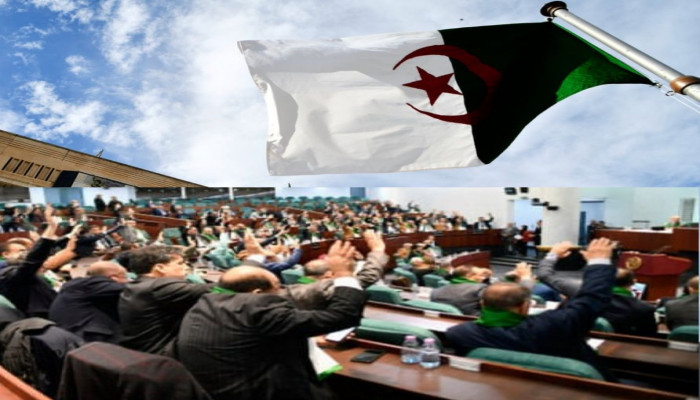
Algeria’s parliament has unanimously approved a new law that declares France’s colonisation of Algeria a crime. The law also demands an official apology and reparations from France for the damage caused during the colonial period. According to reports from state-run television, the legislation further makes it a crime to glorify colonialism in any form.
The vote highlights the worsening relationship between Algeria and France. Observers say ties between the two countries are now at their most strained level since Algeria gained independence from France 63 years ago.
France ruled Algeria from 1830 until 1962. This long period of colonisation was marked by widespread violence, mass killings and large-scale deportations. It ended with a brutal war of independence. Algeria says around 1.5 million people were killed during the conflict, while French historians estimate a much lower number of deaths.
French President Emmanuel Macron has previously acknowledged that France’s colonisation of Algeria was a “crime against humanity”. However, despite this statement, France has never issued a formal apology for its actions during the colonial era.
The passing of the law was met with strong emotion in Algeria’s parliament. According to AFP news agency, lawmakers wore scarves in the colours of the Algerian national flag and chanted “long live Algeria” as they applauded the bill’s approval.
The legislation states that France holds “legal responsibility” for the “tragedies it caused” during its rule over Algeria. It also says that “full and fair” compensation is an “inalienable right of the Algerian state and people”. This means Algeria sees reparations not as an optional gesture, but as a right that cannot be taken away.
France has not yet officially responded to the vote in the Algerian parliament.
The law comes at a time when Western countries are facing growing pressure to address the legacy of slavery and colonialism. Many former colonies are demanding apologies, reparations and the return of artefacts that were taken during colonial rule and are still kept in European museums.
In Algeria, lawmakers have repeatedly called on France to return a historic bronze cannon known as Baba Merzoug, which means “Blessed Father”. The cannon dates back to the 16th Century and was seen as a symbol of protection for Algiers, the present-day capital of Algeria.
French forces captured Algiers in 1830, after several failed attempts, and took the cannon to France. Today, Baba Merzoug is kept in the port city of Brest in north-western France. Algeria considers the cannon an important cultural and historical symbol and wants it returned.
In recent years, France has taken some steps to address historical grievances. In 2020, it returned the remains of 24 Algerian fighters who were killed while resisting French colonial forces in the 19th Century. This move was seen as symbolic, but Algerian officials have said it is not enough.
Last month, Algeria hosted a conference of African states focused on justice and reparations. The event aimed to strengthen efforts across the continent to seek accountability for the harms caused by colonialism.
Algeria’s Foreign Minister, Ahmed Attaf, spoke about the importance of having a legal framework for restitution. He said such a framework would ensure that restitution is not seen as “a gift nor a favour”. His statement underlined Algeria’s position that reparations should be treated as a matter of justice, not goodwill.
Diplomatic tensions between Algeria and France worsened further last year following comments by President Macron on Western Sahara. Macron announced that France was recognising Moroccan sovereignty over Western Sahara and supported a plan that would give the disputed territory limited autonomy.
Algeria strongly opposes this position. It backs the pro-independence Polisario Front in Western Sahara and is regarded as the group’s main ally. France’s stance on the issue angered Algerian leaders and added to existing tensions between the two countries.
Relations deteriorated further after the arrest of French-Algerian novelist Boualem Sansal. He was detained at Algiers airport and later sentenced to five years in prison. Prosecutors said he had undermined national security by making remarks that questioned Algeria’s borders. Last month, he was pardoned by Algeria’s President Abdelmadjid Tebboune.
Together, these developments reflect deep and unresolved issues between Algeria and France. The new law passed by Algeria’s parliament sends a clear message that the country wants formal recognition, accountability, and reparations for the colonial past. Whether France will respond to these demands remains to be seen.



 Loading...please wait
Comments