




Al-Qaida issues rare warning to China over treatment of Uyghur Muslims
- In Reports
- 05:59 PM, Dec 25, 2025
- Myind Staff
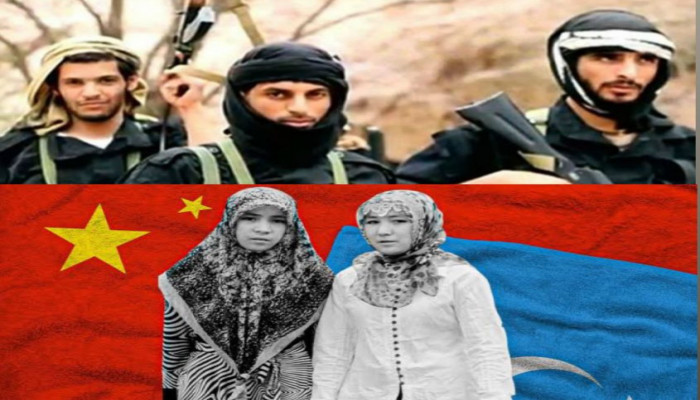
In a rare and serious move, the global extremist group al-Qaida has publicly warned China about the way it treats the Uyghur Muslim minority in the Xinjiang region. The warning came in a statement issued by Atef al-Awlaki, who is the leader of Al-Qaida in the Arabian Peninsula (AQAP).
China has long been criticised internationally for its policies in Xinjiang, where Uyghur Muslims live. Many countries, activists, and international organisations say China’s actions in the region are harsh and unfair. However, it is unusual for al-Qaida, which is more often focused on the West and other Muslim countries, to speak directly about China’s internal policies.
The statement by Atef al-Awlaki first celebrated recent violent attacks on Jews and U.S. citizens abroad. It then shifted focus to China. In his message, al-Awlaki warned Beijing that al-Qaida was watching how the Chinese government treats the Uyghur Muslims.
Awlaki made it clear that al-Qaida sees China’s actions as something serious and alarming. He said that if China does not change its behaviour, the group might hold the country “accountable” and could act against Chinese interests both on land and at sea.
In the statement written in Arabic, al-Awlaki said, “On the system of Chinese foreigners, we are well aware of every action that is being taken against the followers of Muslims, and we have not seen them - we have not seen the behaviour and practices of them … we are looking at the good people, and we are getting closer …” This part of the message makes it clear that al-Qaida is not only criticising China but also claiming to pay close attention to what is happening to the Muslim community in Xinjiang.
Experts say this warning is unusual. Al-Qaida’s usual focus has been on Western nations, especially the United States, and on conflicts in the Middle East, South Asia, and parts of Africa. But China has not been a major target of al-Qaida in the past, even though the Uighur issue has been known internationally for years.
China’s Xinjiang region is home to millions of Uighurs, who are a primarily Muslim ethnic group. For years, international watchdogs and human rights organisations have said that Chinese authorities have detained Uighurs in what are officially called “vocational training centres” or “re-education centres.” Many critics argue these are forced detention camps that restrict religion, culture, and freedom. Some experts say the Chinese actions may even rise to the level of crimes against humanity.
China denies these accusations and claims that its policies are meant to fight religious extremism and improve security. Beijing says that its approach has brought stability to Xinjiang and helped prevent terrorism and violence. Chinese officials also say that many Muslim residents support the government’s efforts to create jobs and improve living standards. Still, foreign nations, human rights groups, and now, extremist groups like al-Qaida, continue to criticise China’s treatment of Uighurs. This latest warning from al-Qaida adds a new voice to the global debate.
The statement also suggests that al-Qaida is working more closely with the East Turkestan Islamic Movement (ETIM), also known as the Turkistan Islamic Party (TIP). This is a Uyghur separatist group that wants an independent Islamic state in Xinjiang. ETIM is considered a terrorist organisation by several countries and international agencies because of its violent tactics.
According to sources familiar with the statement, al-Qaida’s message indicates that al-Qaida cells are strengthening their connections with ETIM and supporting it in its fight against the Chinese government.
China has strongly opposed ETIM and labels it as a dangerous extremist group responsible for violence in Xinjiang and other places. The Chinese government says its security operations target terrorism and protect citizens. However, critics argue that Beijing’s approach is overly broad and also punishes ordinary Uighur Muslims who have done nothing violent.
So far, major governments have reacted differently to China’s policies. Some Western nations and international bodies have criticised China and called for accountability. Others, including many Muslim-majority nations, have said little or nothing publicly. China’s significant diplomatic and economic influence is seen as one reason why many countries do not openly condemn its actions in Xinjiang. But al-Qaida’s warning shows that criticism of China is no longer limited to Western governments or human rights groups. It reflects how the issue has caught the attention of global extremist organisations. If al-Qaida follows through on its warning, this could mark a new phase in how extremist groups approach global conflicts and state policies.
China has not yet publicly responded to the al-Qaida warning. It is unclear how Beijing will react to this threat, but the Chinese government has repeatedly defended its Xinjiang policies and rejected claims of abuses. Beijing argues that its actions are legal and necessary to maintain stability and security in the region.



 Loading...please wait
Comments