




Akshaya Tritiya: Reclaiming a Dharmic Tradition Beyond Consumerism
- In Reclaim Indic Festivals
- 07:19 PM, Apr 19, 2026
- Dr. Siddhartha Dave
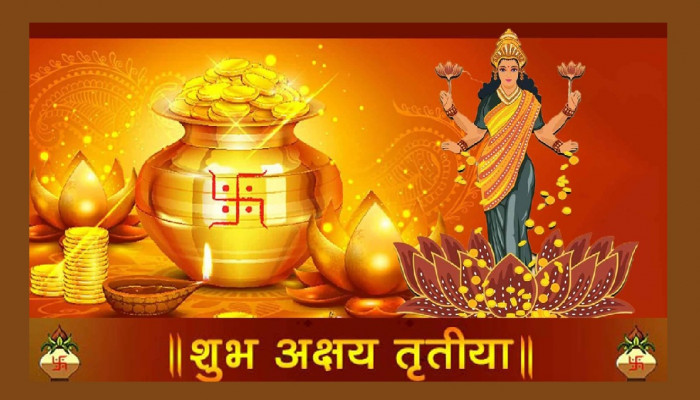
In contemporary Bhartiya society, Akshaya Tritiya has increasingly been reduced to a commercial occasion—synonymous with the purchase of gold. Yet, a careful reading of the Dharma Shastras reveals no injunction that mandates buying gold on this sacred day, nor any assurance that such purchases multiply wealth. Instead, the Shastric tradition presents Akshaya Tritiya as a profound spiritual opportunity—a vrata centred on daan, tapas, and nitya karma anushtana.
Civilisational Context: The Timelessness of Akshaya
Akshaya Tritiya marks the commencement of the Treta Yuga in the Vedic cosmological cycle—following Krita (Satya) Yuga and preceding Dwapara Yuga. At present, humanity resides in Kali Yuga, traditionally understood to be in its 5128th year, with a long trajectory still ahead. In such an age—characterised by moral and spiritual decline—the Shastras emphasise disciplined adherence to Dharma as the only enduring safeguard for individual and collective well-being.
The Dharmic Framework of Akshaya Tritiya
Far from being a day of acquisition, Akshaya Tritiya is prescribed as a day of austerity, ritual purity, and generous giving. The following practices emerge from the Dharmic canon:
1. Sacred Bathing (Snana): An early morning bath is essential. Samudra Snanam (sea bath), if performed during the punyakala, is considered especially meritorious, equated with the spiritual merit of Sahasra Go-Dana and Bhumi Dana. Where this is not feasible, bathing in rivers, temple tanks, or at home—preferably with akshata placed on the head—is prescribed.
2. Nitya Karma and Preparation for Worship: Men are enjoined to perform Sandhyavandanam, while women prepare for Sri Lakshmi-Narayana Puja, including naivedya and ritual arrangements.
3. Tarpana for Ancestors: Those who have lost their fathers are advised to perform tarpana. The Shastras affirm that offerings on this day immensely satisfy the pitrs for extended periods, bestowing blessings for longevity and righteous living.
4. Lakshmi-Narayana Puja: Couples should ideally perform this puja together. Even a simple archana with the chanting of “Om Lakshminarayanaya Namaha” (11, 21, 108, or 1008 times) is considered efficacious. The prescribed muhurta for 2026 is between 10:49 AM and 12:37 PM. Recitation of the Vishnu Sahasranama further enhances the spiritual merit.
The Central Act: Jalakumbha Dana
The Dharma Shastras emphasise Jalakumbha Dana—the donation of water-filled pots—as a highly meritorious act on this day, symbolising sustenance, life, and continuity.
For Devatas: A pot filled with water, adorned with thread, sandalwood, and kumkum, accompanied by offerings such as fruits, betel leaves, coconut, and dakshina, is to be donated while facing east.
Mantra
“Yesha Gharmaghato dato, brahma-vishnu-shivatmakaha,
Asya pradanat-sakala, mama santu manorataha”
एष घर्मघटो दत्तो ब्रह्मविष्णुशिवात्मकः ।
अस्य प्रदानात्सकला मम सन्तु मनोरथाः ।।
This invocation signifies the fulfilment of all righteous desires.
For Pitrs (Ancestors): This ritual is prescribed specifically for men without living fathers. The pot includes water mixed with sandalwood, flowers, and black sesame seeds, along with items like rice, fruits, and curd rice. The offering is made facing south.
Mantra:
“Yesha gharmaghato datto, brahma-vishnu-shivatmakaha,
Asya pradana truptyantu, pitharopi-pithamahaha,
Gandhodhaka tilairmishram sannam kumbha phalanvitam,
Pitrubhya sampradasyami akshyyam-upathishtatu”
एष घर्मघटो दत्तो ब्रह्मविष्णुशिवात्मकः ।
अस्य प्रदानात्तृप्तयन्तु पितरोपि पितामहाः ।।
गन्धोदकतिलैर्मिश्रं सान्नं कुम्भं फलान्वितम् ।
पितृभ्य: संप्रदास्यामि अक्षय्यमुपतिष्ठतु ।।
This act ensures enduring satisfaction of the ancestors.
Reasserting the Spirit of Dana
If logistical challenges prevent physical performance of these rituals, the Shastras allow for equivalent daan—including financial contributions—to individuals or institutions engaged in Dharmic causes. Crucially, the emphasis remains on giving, not acquiring.
The modern trend of purchasing gold finds no sanction in the Shastric framework. In fact, it is daan, including donation of gold where feasible, that is said to multiply punya. Consumption driven by self-interest diminishes the spiritual potential of the day.
Fasting and Discipline
A single meal (madhyahna bhojana) is prescribed, with abstinence from dinner. Liquids may be consumed. This reinforces the spirit of restraint and austerity central to the vrata.
Conclusion: Dharma Over Display
Akshaya Tritiya, in its authentic form, is a civilisational reminder that true prosperity lies in giving, not hoarding. It is a day to align oneself with Dharma through discipline, devotion, and generosity.
In an age where cultural practices are increasingly commodified, reclaiming the Shastric essence of festivals like Akshaya Tritiya becomes not just a religious act, but a civilisational duty.
“धर्मो रक्षति रक्षितः” — Dharma protects those who protect it.
Disclaimer: The opinions expressed within this article are the personal opinions of the author. MyIndMakers is not responsible for the accuracy, completeness, suitability, or validity of any information on this article. All information is provided on an as-is basis. The information, facts or opinions appearing in the article do not reflect the views of MyindMakers and it does not assume any responsibility or liability for the same.


 Loading...please wait
Comments