




Afghanistan claims responsibility for drone attacks on ISIS in Pakistan
- In Reports
- 06:42 PM, Jun 19, 2026
- Myind Staff
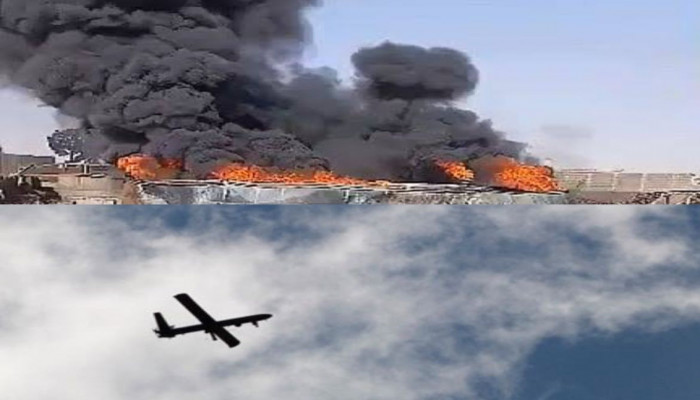
A major escalation has taken place along the Durand Line after Afghanistan launched retaliatory drone strikes inside Pakistan. The development comes days after Pakistani air raids targeted several locations in Afghanistan, further worsening tensions between the two neighbouring countries.
The Afghan Taliban claimed that its drones struck ISIS terror camps located in Pakistan’s Khyber Pakhtunkhwa and Balochistan provinces. According to the Taliban, these camps were being used to plan and organise attacks against Afghanistan. The Afghan authorities said the strikes were carried out in response to Pakistan’s recent air attacks in Nangarhar and Paktia provinces, which they alleged resulted in the deaths of Afghan women and children.
The latest confrontation is part of a growing border crisis between the two countries. Pakistan had launched a military operation known as Operation Ghazab Lil-Haq. Under this campaign, the Pakistan Air Force (PAF) conducted precision airstrikes on suspected militant hideouts. The operation primarily targeted members of Tehrik-i-Taliban Pakistan (TTP) and the Islamic State – Khorasan Province (ISIS-K).
The Pakistani strikes focused on key locations in Nangarhar and Paktia provinces. Additional targets were reportedly hit in Kabul and Kandahar. Pakistani authorities maintained that the operation was aimed at eliminating militant infrastructure and preventing cross-border attacks.
Following the initial air raids, Afghanistan strongly criticised Pakistan and claimed that the attacks had caused civilian casualties. In response, Afghan Taliban forces launched a large-scale ground offensive along the border. Reports suggested that Taliban fighters captured several Pakistani border outposts and military positions situated along the Durand Line.
Pakistan responded with extensive air and ground operations. The fighting quickly expanded into one of the most serious military confrontations seen between the two sides in recent years. Both countries accused each other of provoking the conflict, while military actions continued across several border regions.
According to reports, Pakistani airstrikes in Paktia destroyed a Taliban corps headquarters. In Nangarhar, multiple military installations were targeted and damaged. These included military bases, weapon storage facilities and border brigade infrastructure. Pakistani officials stated that the attacks successfully neutralised these strategic sites.
The continued exchange of strikes and cross-border clashes has had a severe humanitarian impact. Thousands of civilians living near the conflict zones have been forced to flee their homes as security conditions deteriorated rapidly. Villages and towns near the border witnessed large-scale displacement as residents sought safer areas.
The United Nations reported that more than 94,000 people were newly displaced across Afghanistan’s eastern provinces because of the fighting. The organisation also noted dozens of civilian casualties. Significant damage was reported at health centres, religious buildings and humanitarian facilities operating in the affected areas. Aid agencies expressed concern over the growing humanitarian crisis and the challenges of delivering assistance to those displaced by the violence.
The escalating conflict has also drawn international attention. Several countries have stepped forward in an effort to reduce tensions and prevent further military escalation. Türkiye, Russia and China have offered diplomatic mediation and encouraged both sides to agree to a ceasefire. These countries have called for dialogue and de-escalation to avoid a wider regional crisis.
As military operations continue and tensions remain high, concerns are growing about the possibility of further violence along the Afghanistan-Pakistan border. The latest drone strikes and retaliatory attacks have highlighted the fragile security situation in the region and raised fears that the conflict could intensify if diplomatic efforts fail to achieve a ceasefire.



 Loading...please wait
Comments