



₹30,640 crore push: Cabinet unveils massive plan to expand airports, modernise immigration, meet climate goals
- In Reports
- 08:55 PM, Mar 25, 2026
- Myind Staff
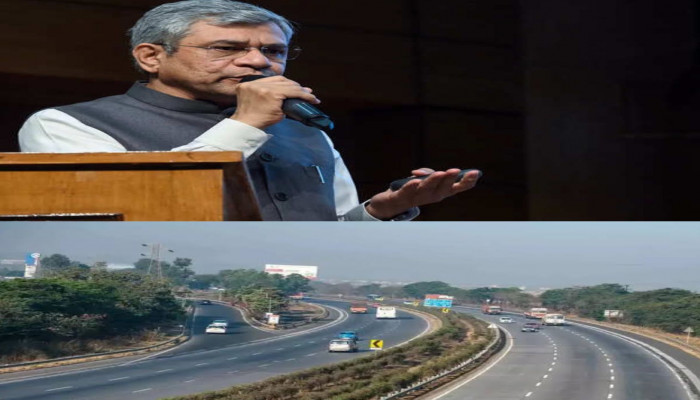
The Union Cabinet on Wednesday approved a wide-ranging package worth ₹30,640 crore aimed at improving regional connectivity, upgrading India’s immigration system, and strengthening climate commitments. The announcement was made during a Cabinet briefing by Information and Broadcasting Minister Ashwini Vaishnaw. The decisions are part of a broader effort to boost infrastructure, improve travel systems, and align with long-term sustainability goals.
A major highlight of the package is the revamped Regional Air Connectivity Scheme, which focuses on expanding aviation access to underserved and remote areas. Under this plan, 100 new airports will be developed in “challenge mode,” with each airport expected to cost around ₹100 crore. The government has allocated ₹12,159 crore in budgetary support for this component, aiming to make air travel more accessible to people living in tier-2 and tier-3 cities.
In addition to airports, the government will also build 200 modern helipads to improve last-mile connectivity, especially in regions that are difficult to access. This includes areas like the Himalayan region, the North-East, island territories, and aspirational districts. A budget of ₹3,661 crore has been set aside for this purpose. Helicopter services are expected to significantly enhance transportation in these regions, making travel faster and more efficient for both residents and tourists.
The scheme also includes ₹400 crore for the acquisition of Made-in-India aircraft. This move is aimed at promoting domestic manufacturing in the aviation sector while supporting airlines that operate in regional markets. By encouraging the use of locally manufactured aircraft, the government is also trying to strengthen the country’s aviation ecosystem and reduce dependence on imports.
Another important part of the Cabinet’s decision is the modernisation of the immigration system through the IVFRT 3.0 programme. This initiative will introduce advanced technologies such as AI and machine learning tools, iris scanning, biometric authentication, and AI-enabled cameras. It will also bring in mobile-based services and self-service kiosks at immigration checkpoints to make the process faster and more efficient for travellers.
The upgraded system aims to simplify visa and immigration procedures while strengthening border security. By integrating various services into a single digital platform, the government plans to improve the overall experience for international travellers and ensure better monitoring of foreign nationals entering and exiting the country. The use of modern technology is expected to reduce waiting times and improve the efficiency of immigration operations.
Alongside connectivity and immigration reforms, the Cabinet package also supports India’s climate commitments under its Nationally Determined Contributions (NDCs). These efforts are focused on promoting sustainability and reducing emissions as part of the country’s long-term environmental goals. The measures are expected to contribute to cleaner infrastructure development and align economic growth with environmental responsibility.
Overall, the ₹30,640 crore package reflects a combined approach to development, where infrastructure expansion, technological advancement, and environmental sustainability are addressed together. The initiatives are expected to improve ease of travel, create new opportunities for economic growth, and generate employment across multiple sectors. By focusing on both connectivity and digital transformation, the government aims to build a more efficient and future-ready system that benefits citizens as well as businesses.



 Loading...please wait
Comments