




Seven killed as protests erupt over economic crisis and inflation in Iran
- In Reports
- 04:29 PM, Jan 02, 2026
- Myind Staff
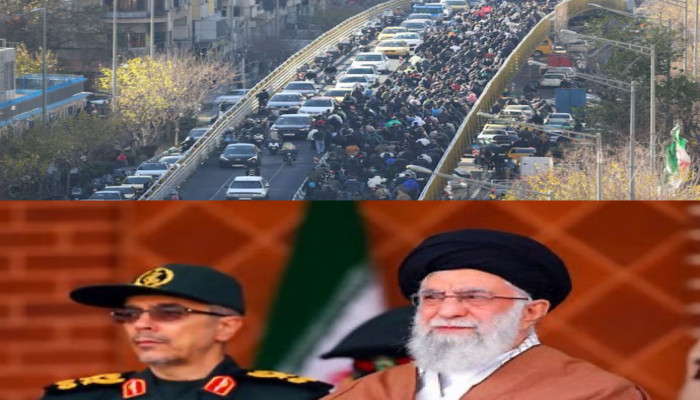
Violent protests have spread across Iran, turning parts of the country into scenes of deadly clashes as people demonstrate against the country’s worsening economy and rising prices. These protests are considered the most serious unrest Iran has seen in three years.
At least seven people have been reported killed so far as confrontations between security forces and protesters intensified. The unrest began with shopkeepers and merchants but quickly grew into a broader movement across several cities and regions.
The main trigger for the protests has been the failing economy, a collapsing currency, and soaring inflation. The Iranian rial lost nearly half its value against the U.S. dollar during 2025, while inflation reached about 42.5 per cent in December. Many Iranians are struggling to cope with the rising costs of food and basic goods.
The protests started in Tehran’s Grand Bazaar, where shopkeepers began striking and closing their stores to express anger at high prices and economic instability. From there, demonstrations spread to other cities, including Lordegan, Kuhdasht, and Isfahan.
Security forces, including the Islamic Revolutionary Guard Corps (IRGC), have been deployed to control crowds. In some clashes, both protesters and security personnel have lost their lives. According to Iranian media and rights groups, at least one member of the Basij, a volunteer paramilitary force under the IRGC, was killed during confrontations in Kuhdasht. The IRGC claimed that “armed protesters” took advantage of the situation and caused his death.
However, the rights group Hengaw reported a different account, saying the Basij member had defected and was actually participating in the protests, and claimed he was killed by security forces.
In Lordegan, the state-affiliated Fars news agency said that two people died during clashes with security forces. Other reports also mentioned detentions in provinces such as Kermanshah, Khuzestan, and Hamedan.
The protests have taken on a strong political tone in many places. In Tehran, students and other demonstrators have been heard chanting slogans like “Death to the dictator” and other chants supporting political change.
From abroad, Reza Pahlavi, son of the late Shah of Iran, expressed his support for the protesters. Writing on X (formerly Twitter), Pahlavi said:
“As long as this regime remains in power, the country’s economic situation will continue to deteriorate.”
The Iranian government has responded in two ways. On one hand, the authorities have sent security forces to suppress protests, while on the other, some official announcements described steps to contain the crisis. The government declared a holiday on Wednesday, citing cold weather, which effectively shut down the country and closed major bazaars — a move seen as an attempt to reduce public gatherings.
A government spokesperson said officials are planning to engage in dialogue with trade union leaders and merchant representatives, though details about these discussions are still unclear.
The economic distress in Iran has been deepening for years. Severe inflation, currency depreciation, and external pressures such as Western sanctions have all contributed to people’s frustration with economic conditions. A 12-day conflict with Israel and U.S. airstrikes in June 2025 also strained the country’s economy and infrastructure, adding to public dissatisfaction.



 Loading...please wait
Comments