




UK protests intensify outside Pakistan Consulate, 50 British MPs seek diplomatic intervention
- In Reports
- 05:16 PM, Jun 09, 2026
- Myind Staff
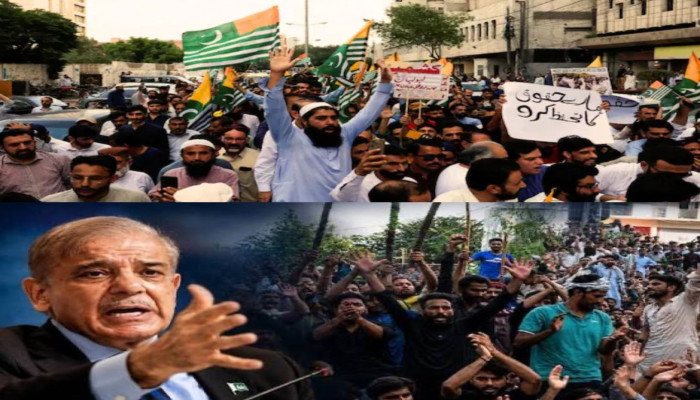
Protests by members of the Kashmiri diaspora intensified outside Pakistan's Consulate in Bradford, United Kingdom, following a deadly crackdown by Pakistani security forces in Pakistan-Occupied Kashmir (POK). The demonstrations were held on June 9 after reports emerged of violence against protesters in the region.
According to reports, Pakistani security personnel opened fire on demonstrators in Rawalakot. The incident left at least 11 people dead and around 70 others injured. The violence has sparked anger among Kashmiris living abroad and has also drawn political attention in Britain.
A large number of protesters gathered outside the Pakistani Consulate in Bradford and accused Pakistani authorities of using excessive force against civilians. The demonstrators claimed that several people were killed and many others were injured during the security operation. They said the firing in Rawalakot was one of the most serious incidents since protests began in the region on June 5.
The unrest has also raised concerns among British lawmakers. More than 30 Members of Parliament in the United Kingdom called on the British government to address what they described as serious human rights violations in Pakistan-Occupied Kashmir. Separately, 50 British MPs, led by Bradford East MP Imran Hussain, urged the UK government to take diplomatic steps in response to reports of arrests, communication blackouts, and rising tensions in the region.
Imran Hussain, who has roots in Pakistan-Occupied Kashmir, joined other lawmakers in expressing concern over the situation. The MPs called for diplomatic intervention as reports of unrest and restrictions continued to emerge from the territory.
The crackdown by Pakistani authorities came as the Joint Awami Action Committee (JAAC) prepared to launch a protest march. The group had announced demonstrations to demand the implementation of a 38-point agenda. Among its key demands were subsidised flour and electricity for residents of the region.
The protests were also aimed at opposing the allocation of 12 seats in the 45-member Legislative Assembly to refugees living outside Kashmir but in other parts of Pakistan. Protest organisers argued that the move was unfair and did not represent the interests of local residents.
Tensions increased significantly after the death of Shahzaib Habib, a protester who was reportedly killed by Pakistan Rangers. His death became a major rallying point for demonstrators and contributed to the growing anger across the region.
The situation further deteriorated on Sunday when violent clashes broke out between police and supporters of an outlawed group in Pakistan-Occupied Kashmir. Officials confirmed that at least 11 people were killed and dozens of others were injured during the violence.
The latest developments have brought international attention to the unrest in Pakistan-Occupied Kashmir. Protesters in the UK continue to demand accountability and justice for those affected by the violence. They have also called on the international community to closely monitor the situation and ensure that the rights of civilians are protected.
Meanwhile, tensions remain high in Pakistan-Occupied Kashmir as security forces continue their operations against protesters. Reports of arrests, restrictions on communication, and ongoing demonstrations suggest that the crisis is far from over. The developments have intensified concerns among members of the Kashmiri diaspora and British lawmakers, who are seeking greater diplomatic engagement to address the situation.



 Loading...please wait
Comments