




Over 50% of global mangroves face collapse risk, climate change the leading factor: IUCN
- In Reports
- 08:15 PM, May 22, 2024
- Myind Staff
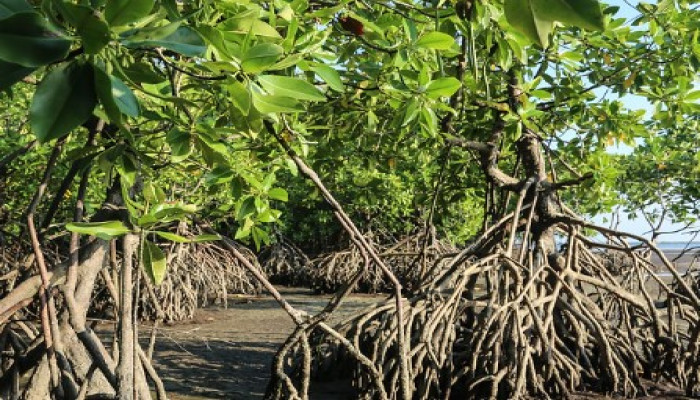
First global mangrove assessment finds over 50% of world's mangrove ecosystems at risk of collapse, with nearly 1 in 5 facing severe risk. Climate change threatens one-third of mangroves, with sea-level rise and severe storms exacerbating risks alongside deforestation, development, pollution, and dam construction.
IUCN's Red List of Ecosystems crucial for tracking progress in halting biodiversity loss. First global mangrove assessment underscores urgent need for coordinated conservation efforts, says IUCN Director General Grethel Aguilar. Study categorises mangrove ecosystems into 36 provinces, assessing threats and collapse risks in each pf them.
IUCN led the work, actively involving over 250 experts from 44 countries.
Angela Andrade, Chair of IUCN Commission on Ecosystem Management, emphasised the exceptional ability of mangrove ecosystems to provide essential services to people, including coastal disaster risk reduction, carbon storage and sequestration, and support for fisheries. She highlighted the disastrous consequences for nature and people globally if mangrove loss continues.
The findings indicate that climate change and sea-level rise will lead to the loss of 1.8 billion tonnes of carbon stored in mangroves by 2050, currently valued at least USD 13 billion in voluntary carbon markets.
The IUCN assessment report noted climate change as a recent and growing threat to mangrove ecosystems, especially their exposure to more frequent and severe weather events, and sea-level rise. It highlighted the increased frequency and intensity of cyclones/typhoons/hurricanes and tropical storms impacting mangroves on some coastlines.
One-third of the world's mangrove ecosystem provinces will be severely affected by sea-level rise, with 25 per cent of the global mangrove area predicted to be submerged in the next 50 years.
Particularly severe impacts are expected along the coasts of the Northwest Atlantic, North Indian Ocean, Red Sea, South China Sea, and Gulf of Aden.
Mangroves store approximately 11 billion tonnes of carbon, almost three times the amount stored by tropical forests of the same size.
These ecosystems currently protect 15.4 million people and USD 65 billion worth of property per year from coastal disasters. By 2050, this protection could extend to 15.5 million people and USD 118 billion due to population growth and rising property values.
The assessment underscores the importance of maintaining mangrove ecosystems globally to mitigate the impacts of climate change. Healthy mangroves are better equipped to cope with sea-level rise and offer inland protection from the impacts of hurricanes, typhoons, and cyclones.
Image source: Outlook India



 Loading...please wait
Comments