




Federal Judge blocks Trump’s $100,000 H-1B visa fee, terms it ‘unauthorised tax’
- In Reports
- 05:07 PM, Jun 09, 2026
- Myind Staff
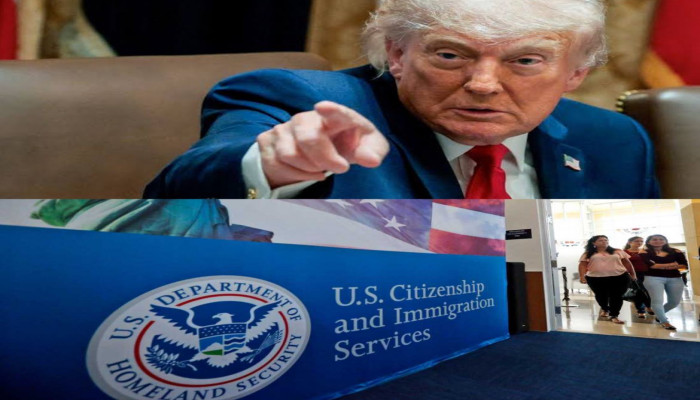
A federal judge has struck down the Trump administration’s controversial $100,000 fee on new H-1B visa applications, creating a major setback for the administration’s immigration policy. The ruling came from U.S. District Court Judge Leo Sorokin in Boston and directly contradicts an earlier federal court decision that had allowed the fee increase to remain in place.
The Trump administration introduced the significantly higher fee with the stated goal of protecting American jobs and discouraging companies from hiring foreign workers. The policy increased the cost of obtaining new H-1B visas from several thousand dollars to $100,000, causing widespread concern among employers, international students, and skilled workers both inside and outside the United States. The announcement also triggered multiple legal challenges in different federal courts.
In his ruling, Judge Sorokin sided with a coalition of 20 states that challenged the policy. He concluded that the executive branch had exceeded its legal authority and violated the Administrative Procedure Act, the law that governs how federal agencies create and implement regulations.
“The Court finds that the Policy imposes a tax on H-1B petitions without the requisite delegation by Congress,” Sorokin wrote.
The H-1B visa program is designed for highly skilled workers in fields where employers struggle to find qualified American candidates. Technology companies are among the largest users of the program. Nearly three-quarters of approved H-1B visas are granted to workers from India. The states argued that hiring qualified professionals through the program was already challenging before the fee increase and that the higher cost would make recruitment even more difficult.
According to the states involved in the lawsuit, the policy would negatively affect their ability to hire teachers for primary and secondary schools, recruit faculty members for colleges and universities, and attract researchers for academic institutions. They also warned that the fee could worsen shortages in the healthcare sector by making it harder to bring skilled medical professionals to the country.
The legal battle over the fee is still ongoing in other parts of the country. The U.S. Chamber of Commerce filed a separate lawsuit in federal court in Washington, D.C. The organisation appealed after a judge denied its request for summary judgment against the fee increase. As a result, the fee remained in effect and was expected to continue until its scheduled expiration in September 2026. However, Monday’s ruling reached the opposite conclusion, creating a conflict between federal court decisions.
Another lawsuit challenging the fee was filed in federal court in San Francisco by religious organisations and labour groups. With cases moving through different federal appellate circuits, there is now a possibility of conflicting rulings from multiple courts.
Massachusetts Attorney General Andrea Joy Campbell welcomed the decision and highlighted its importance for several sectors that depend on skilled international workers.
“Today's victory protects the integrity of the H-1B visa program as a tool to address severe labour shortages in vital industries like education, healthcare, and medical research,” Massachusetts Attorney General Andrea Joy Campbell said in a statement. “In Massachusetts, this win will ensure we can fill critical vacancies and hire world-class faculty and researchers at colleges and universities across the Commonwealth.”
Medical organisations also praised the ruling. Bobby Mukkamala, president of the American Medical Association, described the decision as an important development for patients and healthcare systems across the country.
“At a time when communities across the country face physician shortages and growing barriers to care, we should be removing obstacles — not creating new ones — to attract talented physicians and other highly skilled professionals,” Mukkamala said. “International medical graduates play a vital role in caring for patients, particularly in underserved and rural areas.”
The ruling comes amid growing concerns about the availability of doctors in many regions of the United States. Healthcare advocates have repeatedly warned that stricter immigration policies could discourage international medical graduates from working in the country, worsening existing shortages in underserved communities.
The Department of Homeland Security criticised the court’s decision and defended the administration’s broader immigration agenda. In a statement, the agency said it disagreed with the ruling and accused the court of interfering with the president’s efforts to reform immigration policy.
“Under President Trump and Secretary Mullin, our immigration system is being reformed to serve American citizens, American workers, and American families and to preserve our national identity — not to rapidly import foreigners who take American jobs, commit crimes, burden our welfare system, and erode our cultural and social fabric,” the statement said, referring to Homeland Security Secretary Markwayne Mullin.
The White House also expressed confidence that the decision would not stand. White House spokesperson Taylor Rogers stated that the administration intends to continue fighting the case through the appeals process.
The administration “is confident this order will be reversed on appeal,” Rogers said.
The ruling marks a significant legal challenge to one of the Trump administration’s most aggressive changes to the H-1B visa system. While supporters of the policy argue it protects American workers, opponents say it creates unnecessary barriers for employers, educational institutions, and healthcare providers that rely on highly skilled international professionals. With multiple lawsuits still moving through the courts, the future of the fee will likely be decided through further appeals.



 Loading...please wait
Comments